Blog

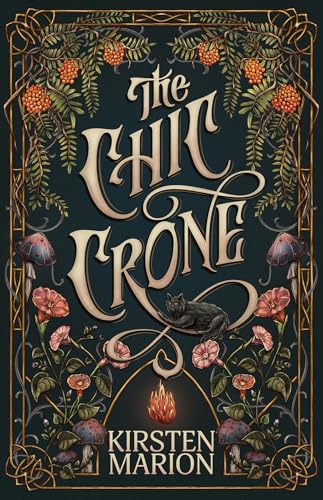
Interview with Kirsten Marion, Author of The Chic Crone

What's the story behind the story? What inspired you to write The Chic Crone?

The idea for the book popped into my head when I signed up for a course on How to Write a Novel with Reedsy.com. I’d been thinking about writing an adult novel and the course sounded interesting. It was, and it was intense, and I met some wonderful people from all over the world (it’s a virtual course). One of the course’s key ‘asks’ is that we each write the first draft of a novel (75k words) over the fifteen weeks of the course – I did say it was intense! I'd been reading some paranormal midlife romance and thought why not give that a try? Along the way there was plenty of opportunities for feedback and the feedback I received motivated me to continue to the finish line.

If you had to pick theme songs for the main characters of The Chic Crone, what would they be?

For Olivia, "Defying Gravity" from Wicked.

What's your favorite genre to read? Is it the same as your favorite genre to write?

Fantasy, hands down. Although historical fiction comes a close second!

What books are on your TBR pile right now?

Fourth Wing,

What scene in your book was your favorite to write?

Oh, easy - the one where Olivia gets lost in the wood and discovers that her scene-stealing cat, Magnus, is far more than she ever thought he was.

Do you have any quirky writing habits? (lucky mugs, cats on laps, etc.)

Full disclosure - I do a lot of my writing in bed, on window seats, in the garden - really anywhere but my office.

Do you have a motto, quote, or philosophy you live by?

Say yes to every opportunity that stretches me and figure out how to do it as I go along.

If you could choose one thing for readers to remember after reading your book, what would it be?

It's never too late to reinvent yourself!!


Kirsten Marion is the author of the new book The Chic Crone

Connect with Kirsten Marion

Author Site

Facebook

Buy The Book


Buy The Book

Sign up for our email and we’ll send you the best new books in your favorite genres weekly.

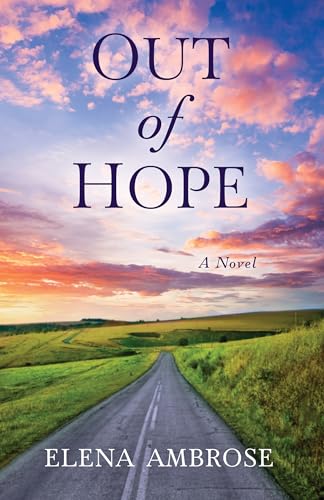
Interview with Elena Ambrose, Author of Out of Hope

What's the story behind the story? What inspired you to write Out of Hope?

When I first came up with the idea for the book, I had read several different stories of forbidden love, all set in fantastical worlds. This got me thinking: what would forbidden love look like in real life? That question sparked the creation of my characters, and from there, the rest of the story took shape.

If you had to pick theme songs for the main characters of Out of Hope, what would they be?

I’m not sure I have a theme song for the characters, but there are a few songs I listened to a lot while writing the book: "Can't Help Falling in Love" by Perfume Genius, "To Love Someone" by Benson Boone, and "Proibito" by Marco Mengoni.

What's your favorite genre to read? Is it the same as your favorite genre to write?

I enjoy reading a wide range of genres, as long as the characters are intriguing and the plots are compelling. However, if I had to pick a favorite, it would be romance. My novel is a contemporary romance, as I wanted to write something that I would personally love to read.

What books are on your TBR pile right now?

I’m currently reading "One True Loves" by Taylor Jenkins Reid. After that, I plan to read "That Month in Tuscany" by Inglath Cooper.

What scene in your book was your favorite to write?

I don’t want to give too much away, so I’ll keep it vague, but I really enjoyed writing the scenes between Patrick and Hannah, particularly toward the end of the book. It was fascinating to explore all the emotions and feelings shared between them.

Do you have any quirky writing habits? (lucky mugs, cats on laps, etc.)

I like to write in the mornings before my family wakes up. I always need a cup of coffee with me, and I enjoy listening to music while I write. I created a playlist for the book, and it really helped set the mood, especially when writing emotional scenes.

If you could choose one thing for readers to remember after reading your book, what would it be?

I would like them to take away not only a deep love for the characters but also a sense of empathy and hope. I wanted to convey the complexity of who we are and show that change and forgiveness are always possible.


Elena Ambrose is the author of the new book Out of Hope

Connect with Elena Ambrose

Author Site

Buy The Book


Buy The Book

Sign up for our email and we’ll send you the best new books in your favorite genres weekly.

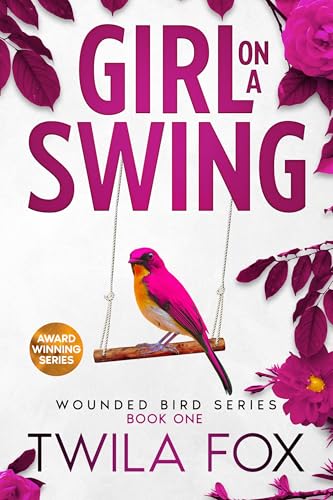
Interview with Twila Fox, Author of Girl on a Swing (The Wounded Bird Series Book 1)

What's the story behind the story? What inspired you to write Girl on a Swing (The Wounded Bird Series Book 1)?

The inspiration for Girl on a Swing came from my own quest for happiness, and when others didn’t support what made ME happy. I wanted to explore the idea of my own happiness through a character who was facing the same types of challenges. In many ways, this book is deeply personal to me, such as Wren wanting to make a living through her art, and wanting to allow her heart to be free. I think we all have moments where we feel like we’re suspended between where we’ve been and where we’re going, much like a girl on a swing. That feeling of uncertainty, nostalgia, and transformation is at the heart of this story. I also wanted to tell a story that would resonate with readers who have experienced the same type of thing, judgement from others because of what you want to do, or who you want to love. My hope is that Girl on a Swing not only entertains but also provides a sense of connection for anyone who has ever felt like they’re caught between holding on and letting go.

If you had to pick theme songs for the main characters of Girl on a Swing (The Wounded Bird Series Book 1), what would they be?

"Rise Up" by Andra Day.

What's your favorite genre to read? Is it the same as your favorite genre to write?

I love YA Paranormal!

What books are on your TBR pile right now?

It's a mix of books for work and a few for pleasure. Definitely Excited about the Captivate Me Series by SJ Pierce.

What scene in your book was your favorite to write?

When Maddox takes Wren to the lake for a picnic. This was like the beginning for them. Maddox wasn't just taking her for a meal, he was showing her a new way of life, how beautiful it can be and how she deserves to be loved.

Do you have any quirky writing habits? (lucky mugs, cats on laps, etc.)

Over there years I've had several, like had to have coffee, music, be warm. Now with life as hectic as it is, and trying move past burnout I'm just happy when I get to sit down and write.

Do you have a motto, quote, or philosophy you live by?

Move forward Boldly! It's the only way to do it!

If you could choose one thing for readers to remember after reading your book, what would it be?

No matter who you are, where you've been, or what you've been through, you deserve happiness and to be allowed to shine bright!


Twila Fox is the author of the new book Girl on a Swing (The Wounded Bird Series Book 1)

Connect with Twila Fox

Author Site

Facebook

Buy The Book


Buy The Book

Sign up for our email and we’ll send you the best new books in your favorite genres weekly.

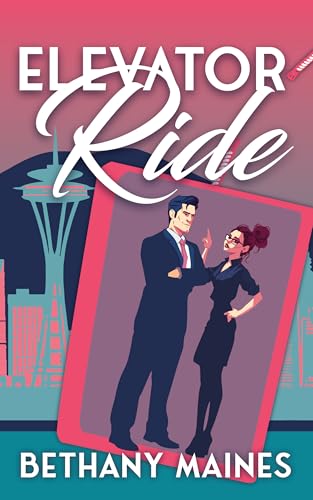
Interview with Bethany Maines, Author of Elevator Ride (The Valkyrie Brothers Book 1)

What's the story behind the story? What inspired you to write Elevator Ride (The Valkyrie Brothers Book 1)?

Elevator Ride was inspired by my day job as a graphic designer. My firm worked with an estate planning seminar, and as a result I listened to an amazing amount of tales of estate planning gone wrong. The amount of times that someone literally tried to kill a grandparent to get the farm was shocking. (Yes, the family farm!) Elevator Ride doesn’t involve a farm, but it does involve a missing will. And I know that doesn’t sound like the great kick-off to a rom-com, but when combined with German Shepard type ex-marine and a spitfire paralegal, it makes for a fun ball of romance, action, and mystery that will make you laugh all the way through.

If you had to pick theme songs for the main characters of Elevator Ride (The Valkyrie Brothers Book 1), what would they be?

Rowan Valkyrie – the hero – has a secret love of Destiny’s Child and Beyonce. “Say My Name” is his secret jam, but if anyone asked he’d say his favorite was Bruno Mars or eighties rock bands.

Vivian Kaye – the heroine – loves Top 40 but likes things with a little extra flavor like Teddy Swims and Camila Cabello. Her favorite is probably "Havana" from Camila Cabello.

What's your favorite genre to read? Is it the same as your favorite genre to write?

I love reading romance, mystery and fantasy and that's equally what I love to write.

What books are on your TBR pile right now?

I'm attempting to finish a paranormal romance right now, so I'm trying to ignore my TBR pile. But once I'm done, Game Changer - a Sierra Hill single dad-nanny romance - is waiting for me!

What scene in your book was your favorite to write?

The first kiss between Rowan and Vivian was so much fun because while it was steamy, I also knew I wanted it to be funny (it involves lingerie and an RC car). After I wrote the first draft I had to run it by my writer's group to make sure the physical comedy was translating from my head to the page. Once they gave it the thumbs up, I knew my characters were destined for each other.

Do you have any quirky writing habits? (lucky mugs, cats on laps, etc.)

I don't know if it's quirky, but it is a spreadsheet. I track my characters names, my chapters, all the things on a spreadsheet like I was clocking baseball statistics. Spreadsheets make a novel happen.

Do you have a motto, quote, or philosophy you live by?

I try to live my life by the words of the great Snoop Dogg: "I gotta be me at all times."

If you could choose one thing for readers to remember after reading your book, what would it be?

Friendship matters. My heroine volunteers for a veterans charity focusing veteran mental health and if I learned anything from that research is that simply reaching out to a friend can make a difference in someone's life. I know we all get busy, but call, text, send a meme, whatever. You never know what that check in means to another person.


Bethany Maines is the author of the new book Elevator Ride (The Valkyrie Brothers Book 1)

Connect with Bethany Maines

Author Site

Facebook

Twitter

Buy The Book


Buy The Book

Sign up for our email and we’ll send you the best new books in your favorite genres weekly.

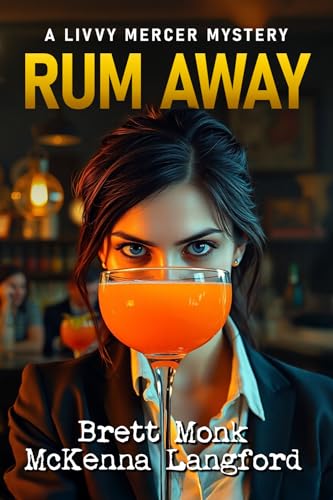
Interview with Brett Monk, Author of Rum Away (Livvy Mercer Mysteries Book 1)

What's the story behind the story? What inspired you to write Rum Away (Livvy Mercer Mysteries Book 1)?

I'm a very character-driven writer. I love a good twisty plot, but at the end of the day what I really want to do is to create characters that my readers (and movie viewers, since I've written and directed two movies) love to spend time with. So when my co-writer, McKenna, and I were developing this new series, we spent a lot of time thinking about what would make a really fun and engaging female amateur sleuth. Something that hadn't been overdone already. McKenna has experience in the restaurant industry and I used to make training films for the FBI. So, we came up with the idea of a female bartender who reads body language and microexpressions. "Livvy Mercer, The Crime Solving Bartender Who Never Forgets a Face". We paired her with a handsome FBI agent and gave them a turbulent backstory. From that point on, the story just took off on its own.

If you had to pick theme songs for the main characters of Rum Away (Livvy Mercer Mysteries Book 1), what would they be?

Since Livvy is a bartender and she always remembers her clients and their favorite drinks, her song would definitely be the theme song from Cheers… "Where Everybody Knows Your Name".

For the male lead, FBI Agent Garrett Lucas, it would have to be "Every Breath You Take" by the Police. Because, he'll be watching you!

What's your favorite genre to read? Is it the same as your favorite genre to write?

I love reading several genres, including sci-fi and epic fantasy, but yeah, my main genre to read, write, and watch on TV is definitely mystery/thrillers. In particular, character driven mystery/thrillers with a little bit of humor and warmth.

What books are on your TBR pile right now?

My TBR pile includes "The Man Who Died Twice" by Richard Osman, since I loved "The Thursday Murder Club", "15 Minutes" by Larissa Reinhart, and "Tell No One" by Harlan Coben.

What scene in your book was your favorite to write?

This series is written in collaboration with McKenna Langford, so when I say "I wrote" I mean "we". Having said that, there's a scene in "Rum Away" where Livvy sees a girl being threatened and then murdered in a parking lot late at night. Livvy had previously tried to warn the girl in her bar that the guy was creepy, but the girl told her to "mind her own business" and ridiculed her. The scene is filled with both the usual tension and suspense of an impending death scene, but Livvy's wildly clashing emotions as the event unfolds really make it delicious reading.

Do you have any quirky writing habits? (lucky mugs, cats on laps, etc.)

I don't have any particularly quirky habits, other than having my guitar on a stand beside my desk and taking breaks from writing by grabbing it and playing for a few minutes. Also, I do a lot of my writing and thinking at my log cabin on a mountain in Virginia's Shenandoah Valley.

Do you have a motto, quote, or philosophy you live by?

"We are the music makers, and we are the dreamers of dreams." I know it's actually from poet Arthur O'Shaughnessy, but I like the way Gene Wilder delivered it in Willy Wonka.

If you could choose one thing for readers to remember after reading your book, what would it be?

I'd love my readers to remember my characters as if they were a real person that they had met. I want them to think, "Oh I need to tell Livvy Mercer (or one of my other characters) about that… Oh wait… I forgot… She's fictional."


Brett Monk is the author of the new book Rum Away (Livvy Mercer Mysteries Book 1)

Connect with Brett Monk

Author Site

Facebook

Twitter

Buy The Book


Buy The Book

Sign up for our email and we’ll send you the best new books in your favorite genres weekly.

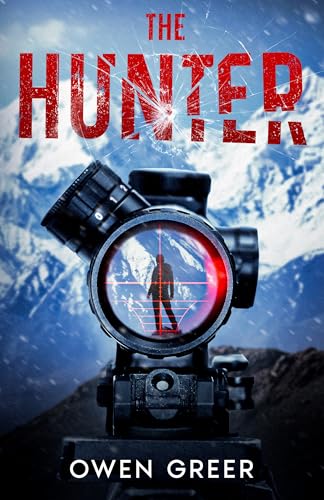
Interview with Owen Greer, Author of The Hunter

What's the story behind the story? What inspired you to write The Hunter?

Watching the American withdrawal from Afghanistan in August 2021 was painful. Over 20 years in country fighting the Taliban, al Qaeda, ISIS, and other foreign fighters, we lost thousands of soldiers, sailors, Marines, airmen, government agency personnel and civilian contractors. The hasty withdrawal did not do justice to the men and women who rotated through Afghanistan, fighting an enemy abroad so we would never have to see them on our shores again like we did on 9/11. Watching this unfold on the news made me think of all of the trusted Afghan partners who fought alongside our personnel - who were now being left behind. This story is about one brave American military operator who defies his orders and stays behind to protect his friend, an Afghan ally, who, alongside his family, is now a target for the Taliban.

If you had to pick theme songs for the main characters of The Hunter, what would they be?

"Brothers in Arms" by Dire Straits.

What's your favorite genre to read? Is it the same as your favorite genre to write?

Military Special Operations Espionage Thrillers. Yes, it is the same genre as my book.

What books are on your TBR pile right now?

Left of Boom (Douglas Laux and Ralph Pezzullo) and Damascus Station (David McCloskey).

What scene in your book was your favorite to write?

It’s hard for me to pick just one scene. I really enjoyed writing the dialogue between Devereaux and Deigo when they first meet. Here, we see Devereaux’s intellect as he manipulates Diego into believing he’s in charge, but it’s really Devereaux pulling the strings. The scene at the Islamabad Polo Club is a fun respite and much-needed section of levity after such a heavy passage in Afghanistan with Amir and his family. Finally, I loved writing the exchange between Devereaux and Babcock in the Mexican jungle. I wanted to juxtapose Devereaux’s confidence in his abilities against his lack of self-preservation.

Do you have any quirky writing habits? (lucky mugs, cats on laps, etc.)

Just writing in a quiet place preferably on a beach or with a scenic view. Now that I'm older, nothing happens without my reading glasses.

Do you have a motto, quote, or philosophy you live by?

It's not always about the end point, but the journey along the way. Make it a fun ride.

If you could choose one thing for readers to remember after reading your book, what would it be?

The character Martin Devereaux - his bravery and skills along with the flaws that make him human.


Owen Greer is the author of the new book The Hunter

Connect with Owen Greer

Author Site

Facebook

Instagram

Buy The Book


Buy The Book

Sign up for our email and we’ll send you the best new books in your favorite genres weekly.

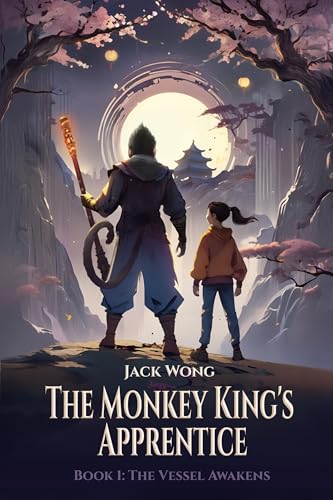
Interview with Jack Wong, Author of The Vessel Awakens (The Monkey King's Apprentice Book 1)

What's the story behind the story? What inspired you to write The Vessel Awakens (The Monkey King's Apprentice Book 1)?

This story is loosely based on Journey to the West. I tried to imagine my daughter's adventure in the Monkey King's world.

What's your favorite genre to read? Is it the same as your favorite genre to write?

Fantasy. Yes, it is among my favorite genres to write.

What books are on your TBR pile right now?

Eragon.

What scene in your book was your favorite to write?

How an ordinary girl from Toronto reacted when she was drawn to Monkey King's world.

Do you have any quirky writing habits? (lucky mugs, cats on laps, etc.)

Eating a few dates (super sweet!).

Do you have a motto, quote, or philosophy you live by?

Carpe diem.

If you could choose one thing for readers to remember after reading your book, what would it be?

The Monkey King and the Toronto's girl's adventures have just begun!


Jack Wong is the author of the new book The Vessel Awakens (The Monkey King's Apprentice Book 1)

Connect with Jack Wong

Buy The Book


Buy The Book

Sign up for our email and we’ll send you the best new books in your favorite genres weekly.

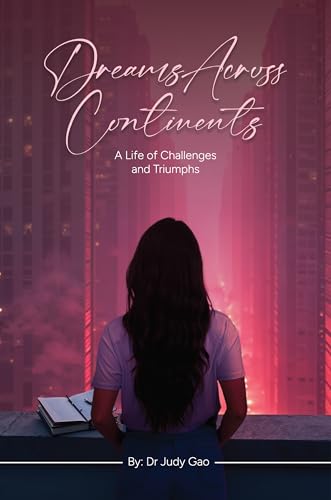
Interview with Dr. Judy Gao, Author of Dreams Across Continents

What's the story behind the story? What inspired you to write Dreams Across Continents: A Life of Challenges and Triumphs?

I've experienced lots of obstacles and overcame them to achieve the dream.

What's your favorite genre to read? Is it the same as your favorite genre to write?

Biographies.

What books are on your TBR pile right now?

Books about life!

What scene in your book was your favorite to write?

The scene about coming to the U.S.

If you could choose one thing for readers to remember after reading your book, what would it be?

I would hope that readers feel inspired.


Dr. Judy Gao is the author of the new book Dreams Across Continents: A Life of Challenges and Triumphs

Connect with Dr. Judy Gao

Author Site

Facebook

Twitter

Buy The Book


Buy The Book

Sign up for our email and we’ll send you the best new books in your favorite genres weekly.

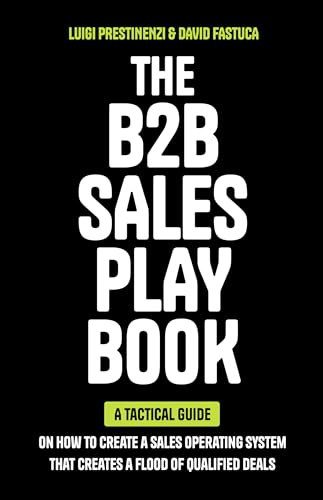
Interview with David Fastuca, Author of The B2B Sales Playbook

What's the story behind the story? What inspired you to write The B2B Sales Playbook?

Time and time again we hear stories that founders and sellers need a step-by-step guide on how to smash their sales goals. So, we decided to compile our knowledge of over 30 years in B2B sales that has led us to 2 x 30M exits into a clear roadmap.

If you had to pick theme songs for the main characters of The B2B Sales Playbook, what would they be?

"Eye of the tiger"

What's your favorite genre to read? Is it the same as your favorite genre to write?

Business and Biographies.

What books are on your TBR pile right now?

The Ride of a Lifetime.

What scene in your book was your favorite to write?

Chapter 8.

Do you have any quirky writing habits? (lucky mugs, cats on laps, etc.)

Lots of coffee on standby haha!

Do you have a motto, quote, or philosophy you live by?

Obsession beats passion.

If you could choose one thing for readers to remember after reading your book, what would it be?

Reading without action is simple entertainment - so take action and implement the teaching from the book today.


David Fastuca is the author of the new book The B2B Sales Playbook

Connect with David Fastuca

Author Site

LinkedIn

Twitter

Buy The Book


Buy The Book

Sign up for our email and we’ll send you the best new books in your favorite genres weekly.

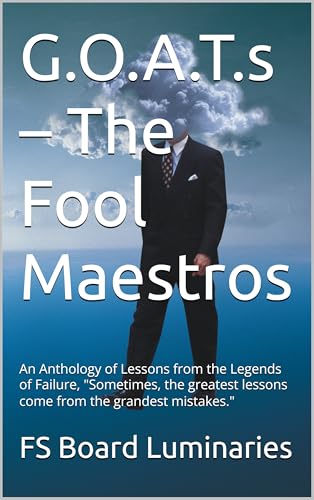
Interview with Faizal Shah Kuttiyil (FS Board Luminaries), Author of G.O.A.T.s - The Fool Maestros

What's the story behind the story? What inspired you to write G.O.A.T.s – The Fool Maestros?

Every entrepreneur, business leader, and investor loves studying success stories—but the truth is, we often learn more from failures than from victories. I’ve always been fascinated by corporate collapses, not because of the downfall itself, but because of the lessons they leave behind. Time and time again, history has shown us that hubris, mismanagement, and weak risk culture are often the biggest threats to businesses—not the economy, not the competition. This book was born out of a simple but powerful question: Why do even the biggest companies, with the smartest people and the best resources, still fail?

What Inspired Me? The Pattern of Repeated Mistakes – From Enron to WeWork, Kodak to Lehman Brothers, I noticed that leaders and companies keep making the same mistakes—again and again. The Illusion of Invincibility – Many of these companies ignored risks, resisted change, and assumed they were untouchable. They forgot that even the most powerful can fall overnight. A Cautionary Guide for Today’s Leaders – I wanted to create a practical, eye-opening guide that warns leaders, entrepreneurs, and investors about the dangers of unchecked ambition, poor governance, and reckless decision-making powered by Arrogance & Ego - The A.G.E factor.

"The Influence of The Great Dictator Speech": The final speech from The Great Dictator by Charlie Chaplin has always resonated with me, particularly these words: “We think too much and feel too little. More than machinery, we need humanity. More than cleverness, we need kindness and gentleness.” Corporate failures—whether Dumbell’s Bank, WeWork, Enron, or Lehman Brothers—aren’t just about bad numbers; they’re about losing sight of ethics, humility, and purpose. Many leaders became so obsessed with power and profits that they forgot the very people and principles that built their companies. They focused too much on greed, too little on integrity. They thought too much about short sighted growth, too little about sustainability.

The Role of Risk Culture in Business Downfalls: At the core of these failures is a toxic risk culture—a belief that rules don’t apply, warnings can be ignored, and the market will always forgive arrogance. Dumbell’s Bank – Assumed financial manipulation could go unnoticed. Enron – Created a culture where fraud was not just tolerated, but nurtured. WeWork – Ignored basic financial discipline in favor of hype. In every case, leadership failed not because they lacked intelligence, but because they lacked accountability.

What’s the Key Takeaway?: This book isn’t just about failure—it’s about learning from history so we don’t repeat it. Whether you’re a startup founder, CEO, Board Member, investor, professional, or student, G.O.A.T.s – The Fool Maestros gives you a front-row seat to history’s biggest business disasters—and the lessons we all need to remember. Don’t repeat history—learn from it!

If you had to pick theme songs for the main characters of G.O.A.T.s – The Fool Maestros, what would they be?

The Book’s Overall Theme Song is “Mad World” by Gary Jules (Tears for Fears Cover) Why? Because this book is about the madness of corporate arrogance, greed, and self-destruction. The same mistakes keep happening over and over again—it’s a mad world. “And I find it kind of funny, I find it kind of sad…”

What's your favorite genre to read? Is it the same as your favorite genre to write?

How Do These Classics Align with the Lessons of Corporate Failure? Jack Welch (Winning, Straight from the Gut) What It Teaches: Jack Welch, the legendary CEO of General Electric, focused on performance-driven leadership, cutting inefficiencies, and constantly adapting to change. Connection to Failure: Many companies in G.O.A.T.s failed due to complacency, lack of innovation, and bureaucratic inertia. Blockbuster and Kodak resisted change, assuming they were too big to fail. Lesson: No company is invincible—only adaptive leadership ensures survival. Lee Iacocca (Iacocca: An Autobiography) What It Teaches: Lee Iacocca turned around Chrysler from near bankruptcy through bold leadership, strategic thinking, and decisive action. Connection to Failure: Companies like WeWork and Enron had reckless leadership, unlike Iacocca’s disciplined approach. Chrysler survived because of strategic risk-taking; Lehman Brothers collapsed due to reckless risk-taking. Lesson: Strong leadership and risk management separate success from failure. Do Not Count Your Chickens Before They Hatch (by Arindam Chaudhuri) What It Teaches: This book focuses on strategic planning, leadership, and the real meaning of success—not just short-term gains. Connection to Failure: Many companies in G.O.A.T.s expanded too fast, assuming success was guaranteed. Work counted its chickens before they hatched, expanding aggressively with no sustainable profit model. Enron thought it could manipulate the market forever—until the truth caught up. Lesson: Success requires planning, execution, and a reality check—hype alone won’t sustain a business. Tricker’s Corporate Governance What It Teaches: Corporate governance ensures transparency, ethical leadership, and risk management—factors many fallen companies ignored. Connection to Failure: Lehman Brothers collapsed due to poor risk management. Enron’s fraudulent leadership thrived because of weak corporate governance. Lesson: Corporate governance isn’t just a formality—it’s essential for survival. You Can Win (by Shiv Khera) What It Teaches: Success is built on discipline, mindset, and ethical decision-making—not shortcuts or deception. Connection to Failure: Companies like Enron and WeWork prioritized quick wins over long-term success. If they had built a foundation of sustainable success, they might have survived. Lesson: Real success is built over time, not overnight. The Intelligent Investor (by Benjamin Graham) What It Teaches: This book teaches value investing, risk management, and avoiding speculation-driven bubbles. Connection to Failure: Lehman Brothers ignored fundamental investing principles, leading to reckless financial moves. WeWork was grossly overvalued ($47B!) despite financial instability. Lesson: A business without strong financial fundamentals is doomed to fail. Final Takeaway: The Books That Could Have Saved These Companies Had the CEOs of Enron, WeWork, Kodak, and Lehman Brothers followed the principles in these books, they might have avoided disaster. Great leadership, strategic planning, and corporate governance aren’t optional—they’re the difference between survival and collapse. Want to see what happens when companies ignore these lessons? Get your copy of G.O.A.T.s – The Fool Maestros today!

What books are on your TBR pile right now?

The Bold Moves That Backfired – A Reading List of Corporate Misadventures: Some decisions change the game. Others change the scoreboard—in the worst way possible. Throughout history, some of the boldest business decisions were hailed as visionary—until they unraveled into case studies of ambition gone wrong. These stories of power, strategy, and unexpected consequences reveal what happens when big risks meet bigger miscalculations.

What scene in your book was your favorite to write?

If I had to pick, Chapter 1: Clodhopper’s Bank (1900)—a thinly veiled satire of the Dumbell’s Bank collapse—was by far my favorite. It’s a perfect storm of overconfidence, financial recklessness, and small-town chaos, all unfolding in a way that feels ridiculous—but is shockingly real. The Scene: When Clodhopper’s Bank Collapsed Clodhopper’s Bank was the crown jewel of the Isle of Blunder, built on loud promises and even louder waistcoats. Archibald P. Clodhopper III, the bank’s eccentric founder, looked like he’d stepped straight out of a portrait titled “Confidence Man with Mustache.” He convinced an entire town that their money was safer than a bishop in a sermon. Spoiler: It wasn’t. Prelude to the Collapse The first whisper of disaster came from none other than Mrs. Mabel Butterworth, the local oracle of bad news. “I heard Clodhopper’s out of money!” she announced while buying turnips. By lunchtime, the town had entered full-scale panic mode. The Great Bank Run of 1900 Leading the charge was Big Gus, the local fisherman, who pounded on the bank doors yelling: “Archie, you scoundrel, where’s my savings?!” Inside, the clerks weren’t helping customers—they were sneaking out the back with bags of coins. And Archibald? Nowhere to be found. Rumor had it he was on a “business trip” (translation: hiding in a pub two towns over). By nightfall, the bank was officially closed, families were broke, and Big Gus was still tangled in his fishing net after a failed attempt to break down the doors. Why Was This My Favorite Scene? Because this is how financial disasters truly happen—not only with fraud and corruption, but also with delusion, overconfidence, and blind faith in bad leaders. It’s absurd. It’s chaotic. It’s frighteningly real. Lessons from Clodhopper’s Bank (aka Dumbell’s Bank) Don’t Bet the Farm – Or, in this case, don’t bet the bank on swamp land no one wants. Honesty is the Best Policy – Unless you’re Archibald, in which case, at least don’t disappear. Have a Backup Plan – Preferably one that doesn’t involve fleeing the country. Risk Culture: A Warning for the Ages The collapse of Dumbell’s Bank left a deep scar on financial history. But in the Isle of Blunder, the lesson was much simpler: “Never trust a man with a fancy mustache and no plan.” Want to read more ridiculous-but-true tales of financial catastrophe? Grab your copy of G.O.A.T.s – The Fool Maestros today!

Do you have any quirky writing habits? (lucky mugs, cats on laps, etc.)

If I had quirky writing habits, they’d probably be something like this: Lucky Mug of Corporate Chaos – A coffee mug that says “This meeting could have been an email” fuels my deep dives into business failures and risk culture disasters. Imaginary Cat Named "Short Sell" – If I had a cat, it would sit on my lap while I write about companies that went bankrupt because they ignored reality. (Short Sell would naturally knock over my notes and predict financial collapses better than some CEOs.) Stock Market Mood Lighting – I keep an old ticker tape printout of Enron’s final stock price nearby as a reminder of what unchecked ambition looks like. Deep Dive Rituals – I tend to obsessively track down obscure corporate scandals, sometimes ending up in hundred-year-old newspaper archives just to understand why one bad decision spiraled into a billion-dollar failure.

Do you have a motto, quote, or philosophy you live by?

“Learn from history, or be history.” Business failures, corporate collapses, and leadership disasters aren’t just stories—they’re warnings. The same mistakes keep happening, just with different names and bigger numbers. Or, as Warren Buffett once said: “What we learn from history is that people don’t learn from history.” So, whether it’s Enron, WeWork, Dumbell’s Bank, or Clodhopper’s Bank, the lesson remains the same: Arrogance, poor risk culture, and ignoring reality will always lead to disaster. Bonus Quote: “Never trust a man with a fancy mustache and no plan.” – Every townsperson after the Clodhopper’s Bank collapse.

If you could choose one thing for readers to remember after reading your book, what would it be?

If Readers Remember One Thing from G.O.A.T.s – The Fool Maestros, It Should Be This: "Success teaches you what works. Failure teaches you what lasts." The biggest corporate disasters—Enron, WeWork, Dumbell’s Bank, Kodak, Lehman Brothers—weren’t inevitable. They happened because leaders ignored warning signs, believed their own hype, and thought they were too big to fail. The lesson? History repeats itself only when people refuse to learn from it. The smartest leaders, entrepreneurs, and investors study failure as much as they study success—because understanding what NOT to do is just as valuable as knowing what works. So, if you take one thing from this book, let it be this: No company is invincible. No leader is infallible. But every failure leaves behind a lesson—if you’re willing to learn. Want to dive into the greatest business failures of all time? Get your copy of G.O.A.T.s – The Fool Maestros today!

 

Faizal Shah Kuttiyil (FS Board Luminaries) is the author of the new book G.O.A.T.s – The Fool Maestros

Connect with Faizal Shah Kuttiyil (FS Board Luminaries)

Author Site

Facebook

Twitter

Buy The Book


Buy The Book

Sign up for our email and we’ll send you the best new books in your favorite genres weekly.