
What's the story behind the story? What inspired you to write this book?
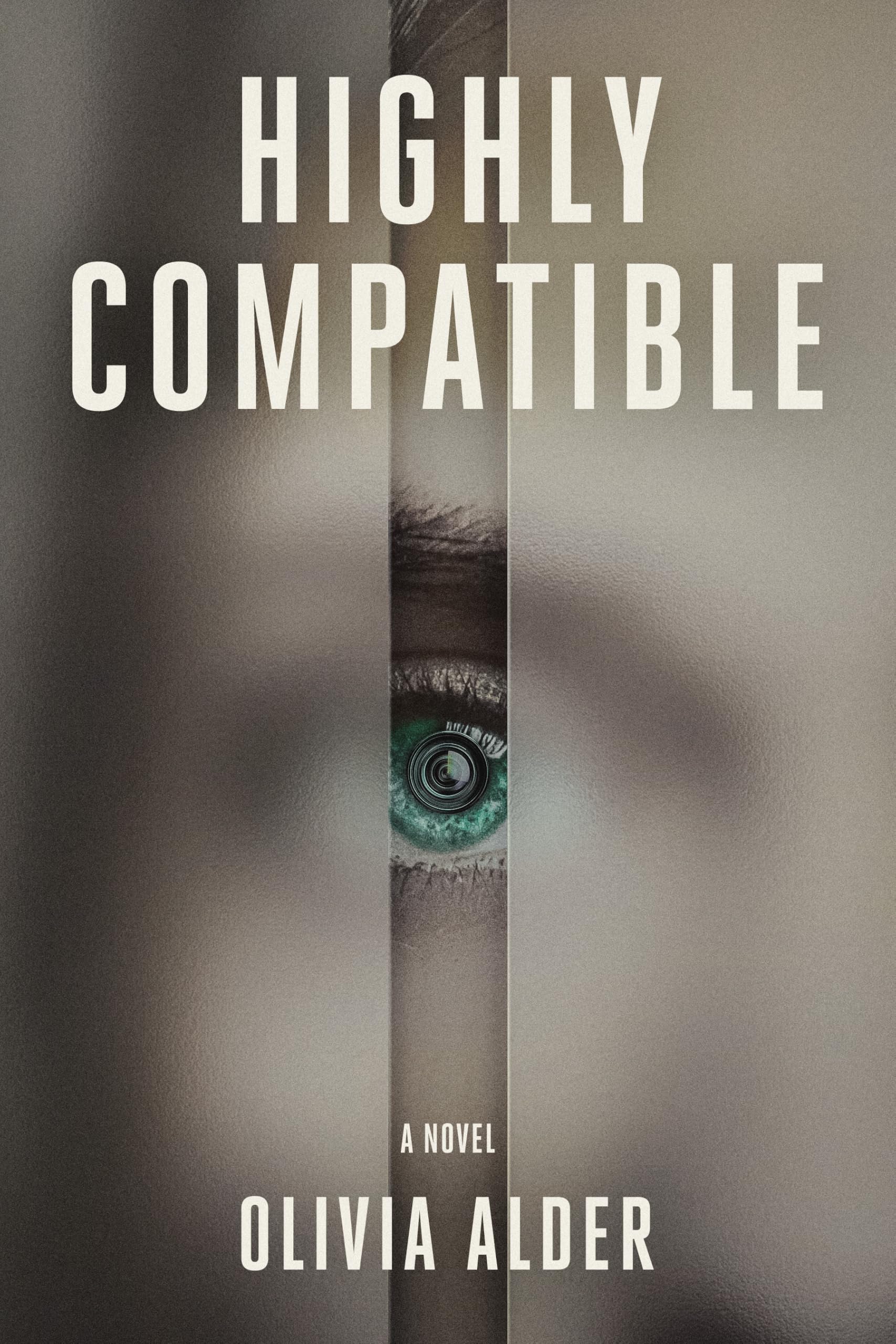
I spent more than a decade working inside some of the world’s biggest technology companies, watching ambitious ideas become product launches. I became fascinated by how quickly we trade privacy for convenience when the experience is good enough. We already let technology anticipate what we want to watch, buy, eat and read, so I started wondering: what happens when it gets good enough to predict something more intimate? Who we’ll trust. Who we’ll desire. Who we’ll fall for. That question became Highly Compatible. I wanted to write something sexy, fast and entertaining, but also satirize an industry determined to optimize everything—including attraction. At the center of it is a very human question: if someone understands exactly what you want before you even ask for it, is that perfect compatibility—or something much more unsettling?
If you had to pick theme songs for the main characters of your book, what would they be?
Nina: “Make Me Feel” — oskar med k. Confident, impulsive, pleasure-seeking and a little reckless. Vincent: “Control” — Emmit Fenn. Smooth, seductive and just ominous enough. Nina + Vincent: “Fire for You” — Cannons. Dreamy, sexy and combustible—the relationship before you start asking too many questions.
Honorable mention to “URL To Her Body” by My Boy Arlo, because there may not be a more hilariously Highly Compatible song title in existence 🙂
Bonus points, check out the fictional world of Panopteia: www.panopteia.com
What's your favorite genre to read? Is it the same as your favorite genre to write?
I love smart, propulsive books with strong female leads, high stakes and preferably a hot romance somewhere in the middle. I’m currently tearing through the Fourth Wing series, and recent favorites include Annie Bot, The Husbands and The Future, along with Ready Player One and The Circle. I also loved Careless People—I sometimes describe Highly Compatible as the beach-read version for people who enjoyed that book: Silicon Valley power and absurdity, but with sex, suspense and a fictional body count. So yes, my reading and writing tastes overlap quite a bit.
What books are on your TBR pile right now?
My TBR pile is currently threatening to become a structural problem. Next up are The Dream Hotel by Laila Lalami, The Ministry of Time by Kaliane Bradley, and Atmosphere by Taylor Jenkins Reid. I’m clearly drawn to complicated women, strange power dynamics, speculative “what ifs,” and romance—which probably explains a lot about the book I ended up writing. And because apparently I can’t completely escape my day job, there’s always at least one intimidating technology book lurking in the stack too.
What scene in your book was your favorite to write?
The ice scene, hands down. It was hot. As a debut author, writing something that explicit was initially deeply uncomfortable—and then incredibly liberating. I had this made-up sauna on the water in Half Moon Bay perfectly visualized, “Song for You” by Mansionair playing on repeat, and frankly, plenty of sexual tension in my real life to work with. Once I stopped being embarrassed about writing it, it became one of the most fun scenes in the whole book.
Do you have any quirky writing habits? (lucky mugs, cats on laps, etc.)
I’m a compulsive soundtrack writer. If a scene has a song, I will play it on repeat until everyone in my house is probably sick of it.
Do you have a motto, quote or philosophy you live by?
“How do you eat an elephant? One bite at a time.” That philosophy got me through writing my first novel and, somehow, the even more complicated process of self-publishing it. Whenever the whole thing started to feel impossible, I tried to stop solving the entire problem and just do the next thing in front of me. One chapter, one edit, one upload, one mildly terrifying new publishing platform at a time.
If you could choose one thing for readers to remember after reading your book, what would it be?
I’d love readers to come away thinking that getting exactly what you want isn’t always the same thing as choosing it. I’m an AI optimist and I work in the industry, so the book isn’t really a warning about technology. It’s my way of exploring all of these fascinating capabilities that are just starting to come into view—prediction, personalization, systems that understand us better and better—and asking what they might mean before most people outside the AI bubble are even thinking about them. I’m excited by where the technology is going. I just think the most interesting questions are about what happens to human choice, desire and agency when it gets really, really good.