
What's the story behind the story? What inspired you to write this book?
I’ve worked in tech-based economic development for nearly two decades, and across different communities around the world, I kept seeing the same pattern. There was always a strong spirit of entrepreneurship, but many businesses didn’t last beyond 18 months to three years. A big part of that was because they weren’t incorporating technology from the beginning in a way that actually supported scale or sustainability. At the same time, as I started to see success as an app entrepreneur, I began getting messages from people everywhere saying, “I have an app idea, but I don’t know where to start.”
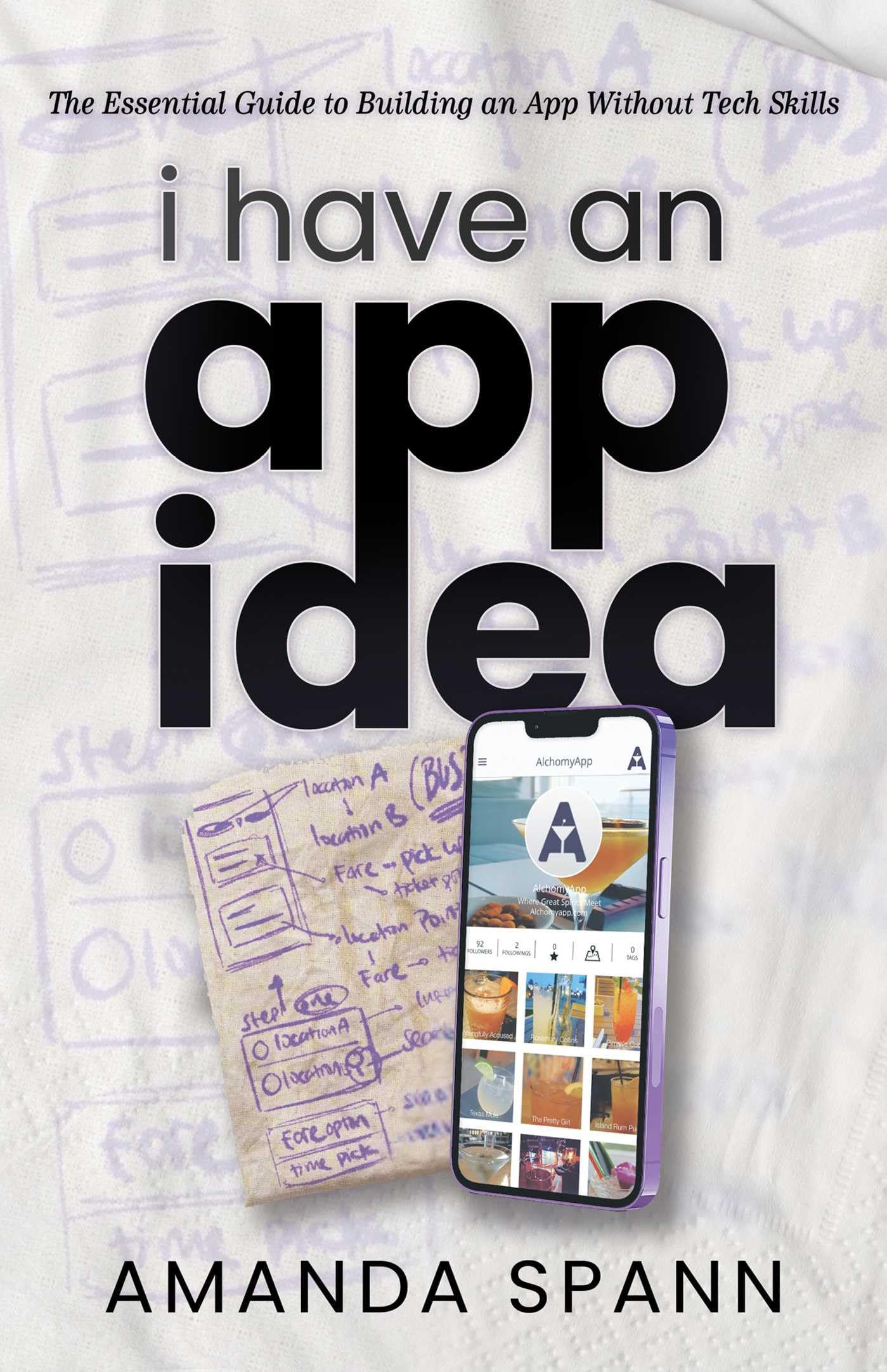
I couldn’t support everyone one-on-one, but I also couldn’t ignore the pattern. These were brilliant, capable people with real expertise; they just didn’t have the product development roadmap. What really pushed me to move with urgency was when I started receiving letters from incarcerated individuals. That made me think deeply about timing and access. How different could someone’s life look if they had the right information at the right moment? So I wrote the book as a way to respond to all of them at once. It’s my “reply all.” It’s the framework I’ve used, turned into a clear, accessible roadmap so people can build with structure before they spend time, money, or write a single line of code.
What's your favorite genre to read? Is it the same as your favorite genre to write?
My favorite genres to read are biographies and historical fiction. I’m really drawn to real stories—how people think, how they navigate challenges, and what it actually takes to build something meaningful. Sometimes, real life is more compelling than fiction. What I write is more practical and instructional, but it’s still rooted in real experiences. So, while the format is different, the inspiration behind it is very much the same.
What books are on your TBR pile right now?
I just finished one of the autobiographies of Booker T. Washington, and that’s definitely inspired me to keep going deeper into biographies. Beyond that, I’m looking forward to reading more books on AI, entrepreneurship, and psychology. That intersection is where a lot of the future is being shaped, so I like to stay grounded in both the human and the technical sides of it.
What scene in your book was your favorite to write?
My favorite parts were the guided activities. I love watching people go from having a vague idea to real clarity on what they’re building, who it’s for, and how it actually works. I also really enjoyed including insights from entrepreneurs, developers, and investors. Those perspectives bring the process to life and give readers a sense that they’re not navigating this alone.
Do you have any quirky writing habits? (lucky mugs, cats on laps, etc.)
I’m a bit of a digital nomad when I write. I like to go to a different city or even another country, get an Airbnb, and just isolate for a couple of days. I’ll have the TV on in the background on mute, and I’ll write in long, focused stretches, only stopping for food and water. It’s not glamorous, but it works.
Do you have a motto, quote or philosophy you live by?
“Domain expertise is the new technical edge.” I truly believe the people closest to the problem are the ones best positioned to solve it. You don’t have to be the most technical person in the room; you just need clarity, structure, and the right tools. And also, “Life is generous.”
If you could choose one thing for readers to remember after reading your book, what would it be?
You don’t need to know how to code. You don’t need to be rich. You don’t need to break the bank. But you do need a plan. Building an app is building a business. If you take the time to think through how it serves people, how it solves a real problem, and how it generates revenue, you can save yourself years of frustration and thousands of dollars. More importantly, you can build something that actually works.