Blog

Interview with Rebecca Makkai, author of Music for Wartime

Tell us a little bit about your new release, Music for Wartime.

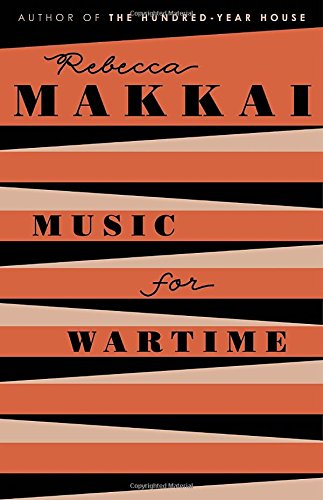
It's a collection of 17 short stories -- ranging in topic from reality TV to World War II to circus elephants to string quartets -- all centered around the question of what it means to make art in difficult circumstances, to try to create order out of chaos.

Who is your favorite fictional character from literature?

I have strange taste in this; I love deeply unreliable narrators. One of the least reliable of all time is Charles Kinbote, in Vladimir Nabokov's Pale Fire. He claims to be a deposed king, but he might in fact be the murderer of the poet whose story he's attempting to tell.

You now host a talk show (congrats). Who is your first guest?

I think Jon Stewart would be a prudent choice. He's fascinating and brilliant, and he could take over when I got too nervous.

What's your favorite short story from your book?

My favorite is the newest, a story called "Good St. Anthony Come Around" -- the only one from the collection not to appear in a journal or online. It's about the 1980s art world and the AIDS epidemic. I loved the era so much that I'm pursuing the subject in my next novel.

What's on your writing desk?

A lot of junk, mostly. It's hard for me to write at home, since I have small kids. I usually work at the library or a coffee shop. But I do usually keep two stacks of books there related to whatever I'm writing about. One stack is research, and I use that quite a bit, especially if I'm writing anything historical. The other stack is inspiration, novels or stories that I want mine to benefit from. I never touch that stack. It just sits there, and maybe if I'm lucky something seeps from it into the desk.

If you had an extra hour each day, how would you spend it?

Writing. That's not to say that I love writing so much that I just can't stop; I mean that between teaching and kids and promoting books, I often have no time to do my actual, main job.

You wouldn’t be caught dead, where?

A Tea Party pig roast.

What's the best advice you've ever received?

I remember my first grade teacher telling me, in very harsh terms, that I needed to learn to see things from other people's points of view. I wonder how formative that was. I mean, she said it very sharply. And now I spend my life writing from other people's perspectives.

What's your favorite line from Music for Wartime?

Good god. There's really no way to answer that without sounding like an egomaniac, is there? It isn't at all my favorite, but I'll just give you a juicy one, the opening of "The Miracle Years of Little Fork": "In the fourth week of the drought, at the third and final performance of the Roundabout Traveling Circus, the elephant keeled over dead." (See? Dead elephants! This book is uplifting!)

Do you have a motto, quote or philosophy you live by?

No. The Guardian just ran a review calling my characters "attractive amoralists," and I like that. I think mottos and quotes and philosophy are morals, of sorts -- which is to say, you go into a situation already believing you know the answer, the lessons. And I think there's nothing worse for a writer.
Screen Shot 2015-08-28 at 9.18.39 AM
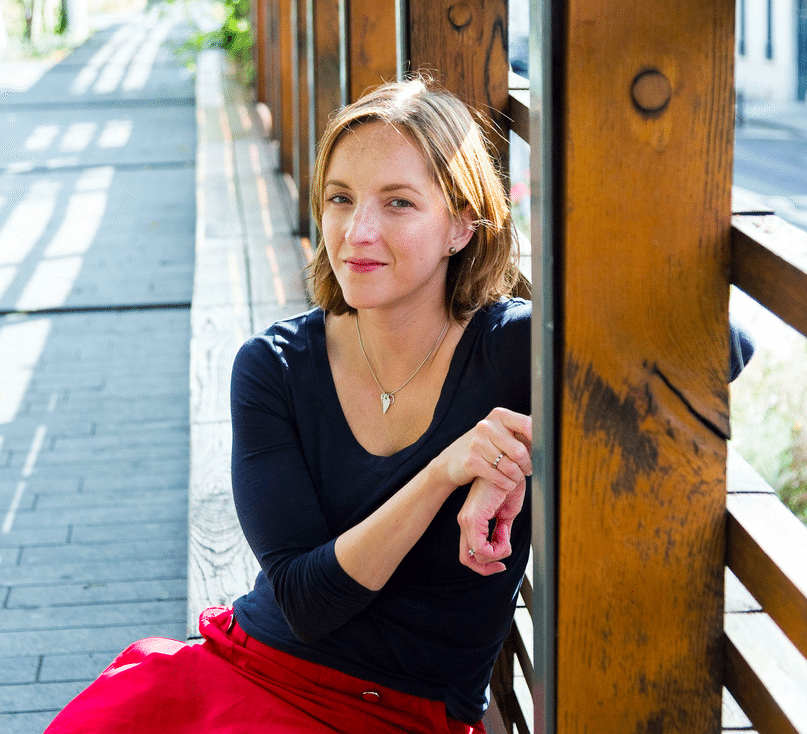
Author Rebecca Makkai Photo credit: Philippe Matsas

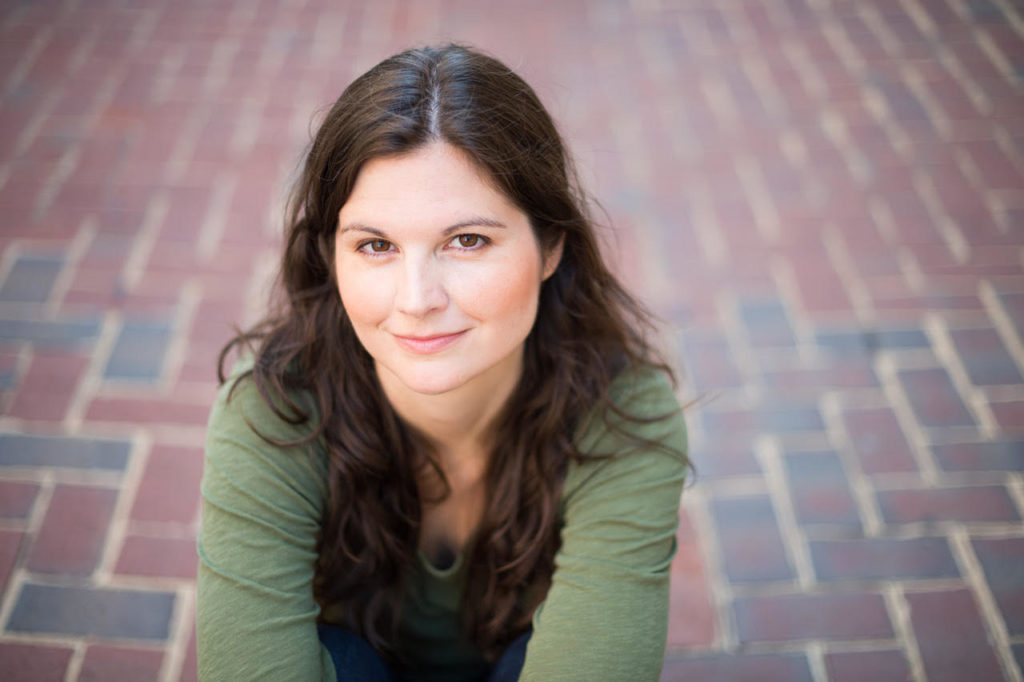
Rebecca Makkai is the author of the new book Music for Wartime.
Connect with Stefanie
Author Website

Buy The Book


Buy The Book

Sign up for our email and we’ll send you the best new books in your favorite genres weekly.
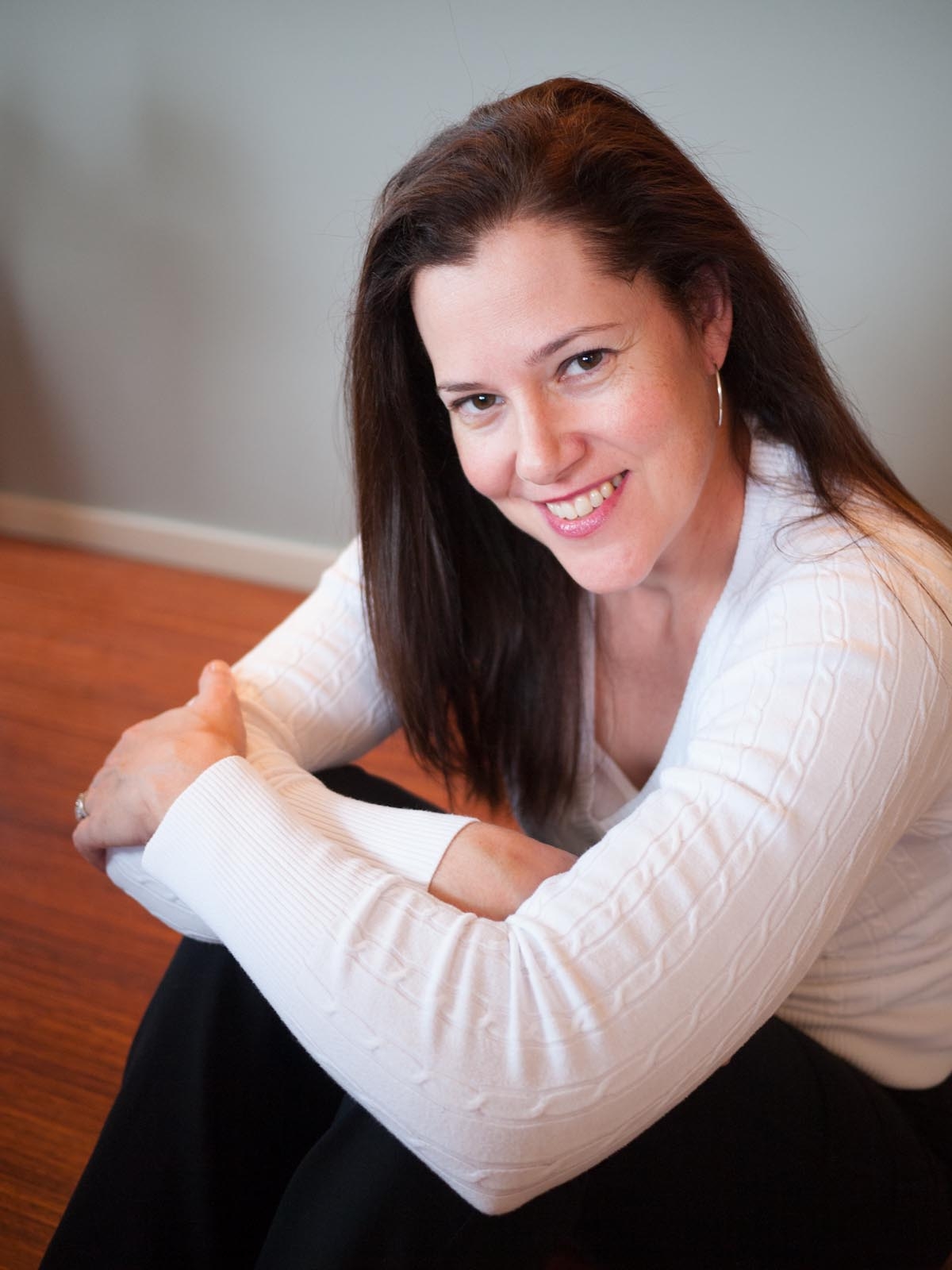
Interview with Ingrid Thoft, author of Brutality

Tell us a little bit about your new release, Brutality. 

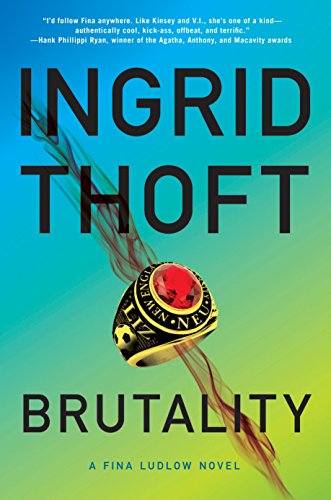
BRUTALITY is the third book in the series featuring Fina Ludlow, a private investigator in Boston who works for her family’s firm of personal injury attorneys. In this installment, Fina is hired to investigate an attack that has landed a woman named Liz Barone in the hospital. Fina discovers that Liz led an ordinary life, except for the fact that she was suing her alma mater, New England University. Liz had been suffering cognitive difficulties that she alleged were the result of her collegiate soccer career at the university. The case drops Fina into the competitive world of college sports where she discovers that many people have a stake in Liz’s lawsuit. Fina also has to navigate her own family’s dysfunction and competing interests.

What is the one movie that you can quote the most?

“Romancing the Stone.” One of my sisters and I quote this movie frequently, mostly to one another. It came out when we were tweens and to this day if she says, “I ain’t no Tarzan,” I immediately picture Danny Devito in a phone booth in Colombia.

What fictional literary world would you most like to visit?

I don’t read many books that take place in fictional worlds, but even if I did, there’s no question that I would want to visit Willy Wonka’s chocolate factory. A chocolate river, every kind of candy you can imagine, and a glass elevator that takes flight? Sign me up!

When you were a child, what did you want to be when you grew up?

My earliest career aspiration was to be a hand doctor. Perhaps I decided that the hand’s 27 bones promised endless variety. I also may have felt that the critical role our hands play in daily living promised job security. My interest dissipated, but my hands play a crucial role in my work, providing a conduit from my brain to the page.

What are you currently craving?

I would love a swim in a warm, clear ocean, followed by a fruity drink and a delicious meal. Given that the nearest ocean is the freezing Puget Sound, I’ll have to satisfy that urge with a warm shower, a dark and stormy mixed by my husband, and take-out from the local Vietnamese place.

If you had an extra hour each day, how would you spend it?

I would most likely spend an extra hour each day reading, although I might feel obliged to spend it learning a new skill. The New Englander in me would feel compelled to do something productive!

What's on your writing desk?

I’ve purposefully chosen a small writing desk to avoid clutter and piles. The modest space is taken up by my laptop, a lamp, a folder dedicated to an upcoming trip to Spain, an outline of my next book, a diet soda, and my prized mug celebrating the birth of Prince George of Cambridge. A close friend got it for me in London in July 2013 right after his birth. I have a soft spot for his maternal grandmother, the late Princess Diana of Wales, who was a prominent figure during my childhood.

What's the best advice you've ever received?

In high school, I remember my father suggesting I close my mouth and open my ears. It was said kindly, but I think it’s advice we could all use. How often do you feel like you listened too much and didn’t talk enough? Someone else once told me to “always consider the source,” and I still think it’s excellent advice, especially in the internet age. Everybody’s got an opinion, but you can decide how much credence to give those opinion.

What's your favorite line from Brutality?

Choosing a favorite line is an impossible task; there are too many that I like and too many that I don’t remember! There are certain images that stay with me: the young child “popped up from his knees as if he were spring-loaded” or the woman whose “dark brown hair was cut into a graduated bob, a style that never made any sense to Fina. Why would you want the back of your head to look like a wedge of cheese?”

Do you have a motto, quote or philosophy you live by?

I’m a big of fan of the Gladys Knight lyric “keep on keepin’ on.” She sings it in the context of finding a reason to keep going, but I think of it in terms of working hard and moving forward regardless of the obstacles you encounter along the way. I think it’s an especially good motto for writers; there will always be critics and setbacks, but tenacity counts for a lot.

Author Ingrid Thoft Photo credit: Doug Berrett


Ingrid Thoft is the author of the new book Brutality.

Connect with Stefanie
Author Website

Buy The Book


Buy The Book

Sign up for our email and we’ll send you the best new books in your favorite genres weekly.
 

Top 10 Fiction Books you Pretended to Read in High School (and why you should read them now)

Did you dread going to high school English classes? Did you ever fear the teacher would quiz you about a book you didn't read? Remember when Spark Notes was your best friend? The pressure you felt having to finish a book within a deadline may have kept you from enjoying the classic works of literature that crossed your path in school. Whatever the case may have been, we understand you might not have read, or enjoyed, all those school assigned books. Here's a list of books with classic characters, engaging plots, and great ideas you should seriously consider revisiting as an adult.

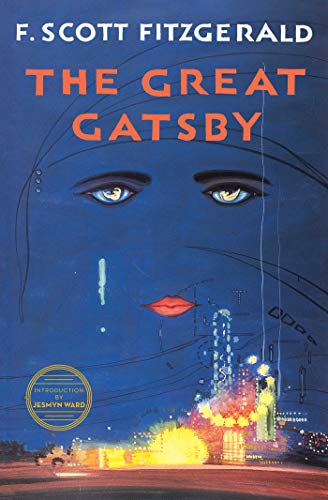
The Great Gatsby, by F. Scott Fitzgerald:

Ever crush on someone so bad it hurt? Ever want something you were certain you could get, if only you tried hard enough? Fitzgerald wrote one of the best observations of a man chasing desperately after the American dream. If you'd like to prepare yourself for the disappointment of things not always going your way no matter how hard you try, you should definitely read (or re-read) this book. Main takeaway: You cannot relive the past.


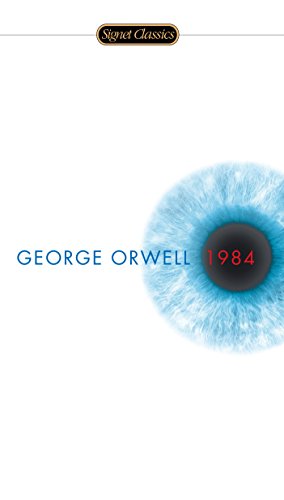
1984, George Orwell:

There always seems to be some authority monitoring you: your parents in childhood, teachers in school, bosses at work. In college there is a brief reprieve, but for the most part we are a society monitored on some level. Orewell's Dystopia reminds us to watch out for overreaching authority, with his projection of a world where all live in constant fear: fear of punishment for doing things deemed wrong by society that seem right. Enjoy your freedom of speech? Enjoy your freedom in general? Read this book to remember what's at stake when one group has too much control.


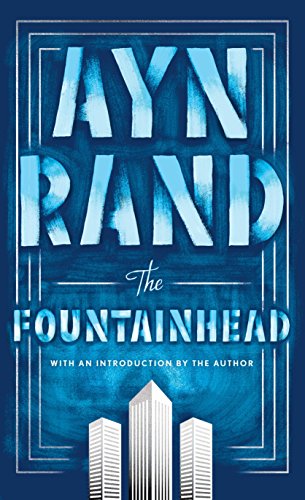
Fountainhead, by Ayn Rand:

You've surely been told you are unique in some way of another. This story reminds you to BE unique: in your actions, in your work, in anything you do. It can be very easy to follow a path someone has already made for us. But can be ultimately more rewarding if we make a path of our own. Ayn Rand uses this story to show the power of individual influence and the consequences of following in others footsteps.


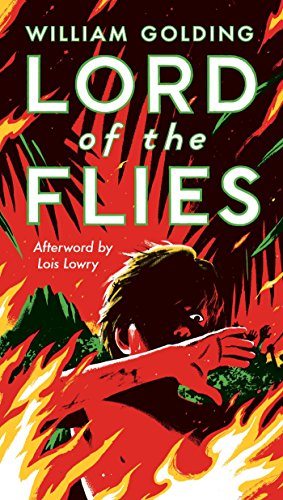
Lord of the Flies, by William Golding:

Has anyone ever shocked you with a surprising ability? Better at sports, or writing, or cooking, or something even they didn't expect? You may have hated reading about young boys devolving into savagery on an island (it does have some terrifying passages), but there's more to this novel than the animalistic capabilities of human beings. This story will remind you how you act in certain situations proves who you really are. Are you a hunter? Or are you the hunted? What are you capable of? You may surprise yourself.


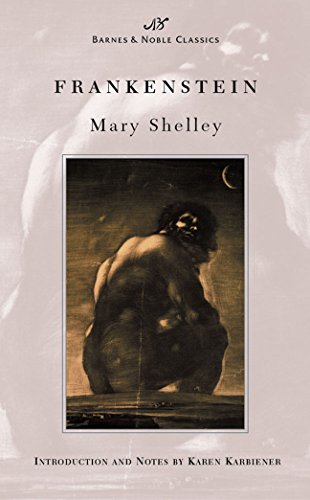
Frankenstein, by Mary Shelly:

Placing all your passion into proving something may cost you your humanity. Frankenstein may have been a sour read for some teenagers with its flowery prose and long descriptions. If you revisit these lines you may be surprised at how well they sink you into the mood of the piece, setting man at odds with nature, setting beast on the same plane as man. As you read it again, ask yourself who the real monster of the story is, and how things may have ended differently if the protagonist was less cowardly and more capable of kindness.


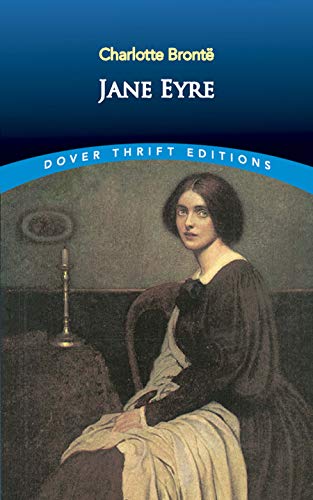
Jane Eyre, by Charlotte Bronte:

Wuthering Heights did not make the list because, while that story is a well written and revisit worthy read, it is not as empowering as Jane Eyre. The story's prose may have put you off on your first attempt. Who wants to read about a girl growing up in Victorian era England? Well, this story is anything but boring, and one of the first popular novels to give its female protagonist so much agency. This story does a lot to fight injustices commonly found in chauvinistic literature, but no one can be upset by the ending's message; love is only allowed to conquer all once all have atoned for their evils and are ready to be conquered.


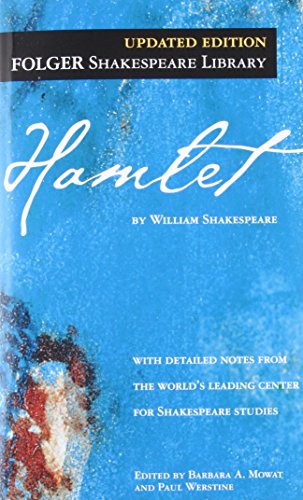
Hamlet, by William Shakespeare:

One of the most often quoted plays with some of the more intriguing names (Oh Polonius), this particular drama may have caused more than a little grief. It's complicated, bizarre, and all over the place. But the story remains one of the most impactful Shakespeare works of our time. The existential questions from the Prince of Denmark may make him seem the fool, but these lines offer insight into general human interactions. Hamlet's unique method to unveil a murder plot proves both baffling and effective, prompting new perspectives on approaching one's own problems.


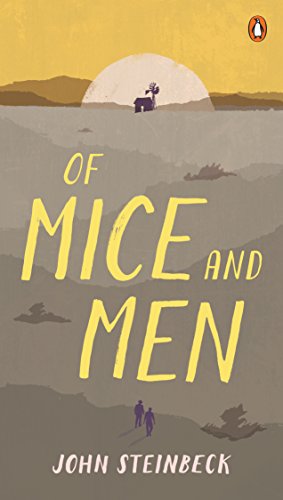
Of Mice and Men, by John Steinbeck:

You've been faced with difficult choices. Steinbeck's vivid depiction of the friendship between two laborers allows us an unlikely view into the sad moment of a difficult decision. What is mercy to you? Is it a lie you tell to get others through a day? Is it a truth you share with a loved one, even if you know it will hurt them? It isn't the easy, but its worth thinking on before (or even while) you're faced with a tough decision in your own life.


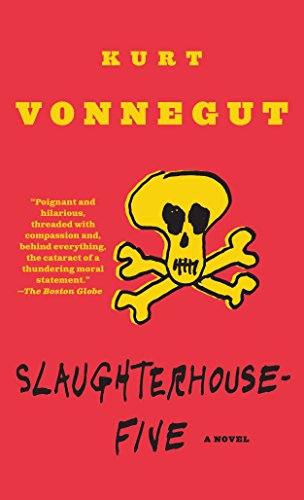
Slaughterhouse 5, by Kurt Vonnegut:

Nothing is ever black and white. It's hard to believe that people can be so set in their positions when they know so little. In high school, this story may have posed a serious challenge to your perceptions of what a novel should do. It goes everywhere, from World War II to Outer Space. Whatever is supposed to happen in life is easier to accept when you realize that anything can happen. Vonnegut's take on death is especially mindful, and may be helpful to anyone trying to understand what's going on in their world.


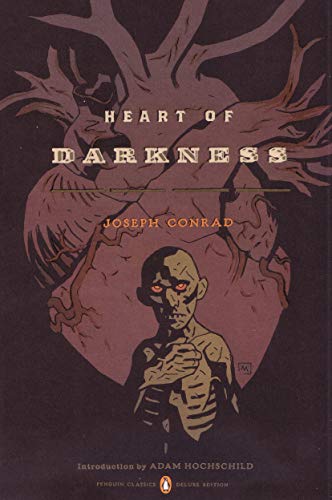
Heart of Darkness, by Joseph Conrad:

Many of the stories on this list look at humanity's dark capabilities. Joseph Conrad's piece is no exception. Only, this story shows a divide, a gap in two different cultures, both dangerous to intruders and line crossers. This story may have been hard to read before, but looking at it now you may see the beauty in the depictions of social constructs and how they devolve when surroundings change the stakes. Violent, blunt, and well written, lessons from deep in the Congo may remind you of clashes in the American culture of today.

Sign up for our email and we’ll send you the best new books in your favorite genres weekly.

Books to Read in Your 20's

This post is geared toward the ladies, although we certainly wont fault any guys for reading these fantastic works of fiction! If you're a millenial (or just want to feel like one), check out our list of book to read in your 20's.

Let's face it, your twenties are an interesting time. Whether you go to college or not, it is a time when you are, absolutely, navigating what it means to be "adult". You start to build your sense of self as a teen, and that process comes to an effulgent climax in your twenties. The media and stories that we consume during that time can introduce us to truths and concepts that help us decide what sort of person we will be. The following books to read in your 20s are full of thought provoking truths that just might crawl in through your eyes and make a home in your brain.


Books to Read in Your 20's

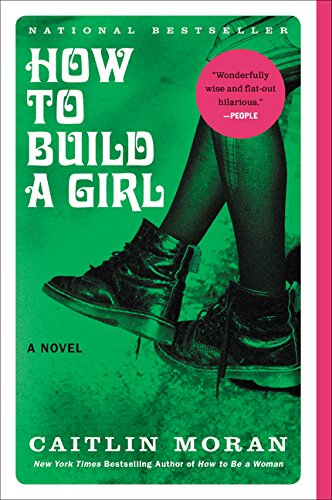
How to Build a Girl by Caitlin Moran : New in paperback, How to Build a Girl is full of adventure, honesty, and, amongst all of the booze, cigarettes, music, and sex, puts forth poignant discoveries about self image, family, friends, and the importance of positivity. And Feminism. Lots of Feminism.

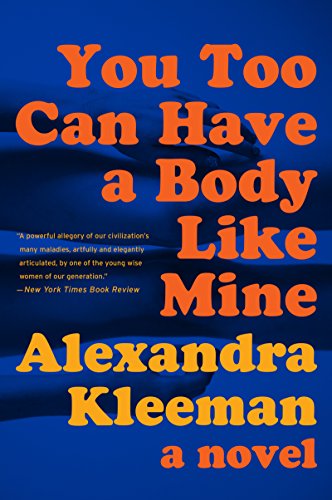
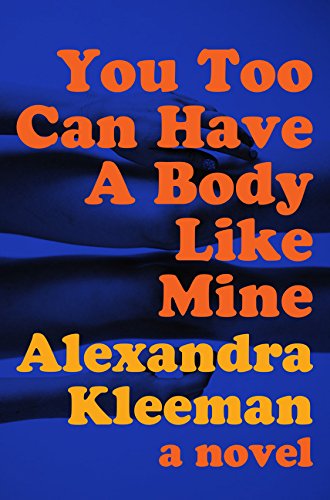
You Too Can Have a Body Like Mine by Alexandra Kleeman : This is the most meta novel you will ever read: get ready to enter the millennial mind. With protagonists that remain nameless throughout the narrative, this salient debut waltzes through such topics as self image, body image, relationships, and belief with razor wit and intelligent self awareness.


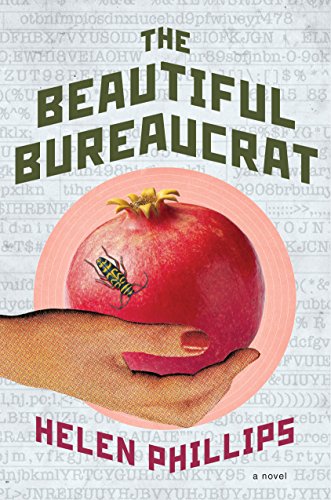
The Beautiful Bureaucrat by Helen Phillips : Following a newly wed couple, The Beautiful Bureaucrat discusses the differences that major life changes, such as marriage and moving away from the support of family, can have on an individual and a relationship.

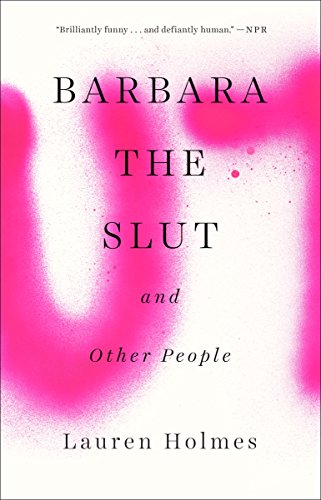
Barbara the Slut and Other People by Lauren Holmes : In a world of Minimalist Pixie Dream Girls, it's male counterpart, the Lumbersexual, and impeccable Instagram feeds, it helps to read books that are simply, truly, unabashedly honest about the ups and downs of life. Barbara the Slut and Other People is one such collection of stories. 


Sign up for our email and we’ll send you the best new books in your favorite genres weekly. 

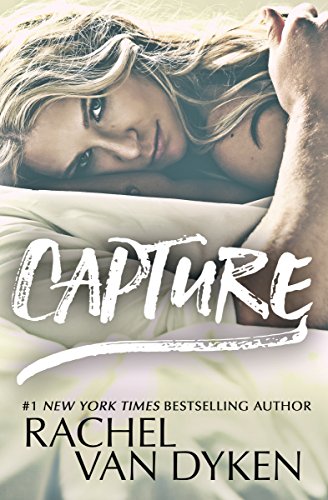
Interview with Rachel Van Dyken, author of Capture


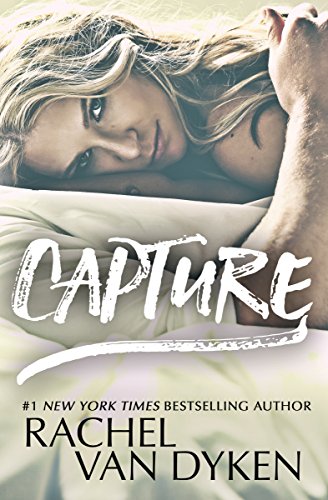
Tell us a little bit about your new release, Capture.

Capture is a book about a seventeen year old girl who is a selective mute. Her movie star brother in law basically forces her to be an assistant to one of hollywoods hottest heart throbs, Lincoln Greene. A lot of the first part of the book is texting because thats the only way she can communicate. He slowly brings her out of the trauma but as they start to form a romantic relationship they both discover that although he was the key to healing her, he also has the power to destroy her.

Who are your literary heroes? Why do they inspire you?

Can I just say all of the above?? I have so many that it would take years for me to list....right now I'm really loving Shakespeare because I did a lot of research on The Taming of The Shrew for a book I just submitted to my publisher.

What's the best advice you've ever received?

To never give up.

Who is your favorite fictional couple from literature?

Belle and the beast? Oh wait...;) I hope it's not too cliche but I love Romeo and Juliet.

Which books are currently on your nightstand?

Typically I have a lot of ARC's from other publishers and authors, right now I'm reading Breaking a Legend by Sarah Robinson.

Say you're hosting a dinner party and can invite anyone in the world, alive or dead, fictional or real. Who's coming to dinner?

Walt Disney, I just want to sit in his presence...for maybe five minutes, then sob uncontrollably. I love Disney.

What makes your world go round? Why does it bring you joy?

God, without him I wouldn't be here or be doing what I love every single day. Family and close friendships also make the world go round. They bring me so much joy. I was having a rough day, as I typically do before a release and all it took was my sons laughter and husbands smile to kick the stress of the day.

What's your favorite line from Capture?

Leave your window open tonight, Rapunzel, I'm climbing in.

Do you have a motto, quote or philosophy you live by?

Whatever you do, do it well.


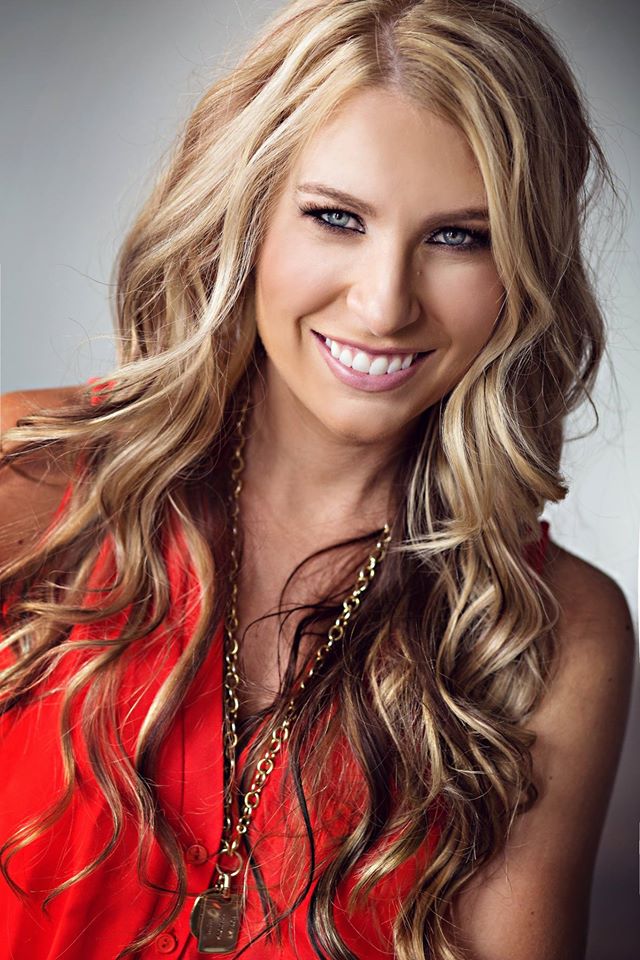
Rachel Van Dyken is the New York Times bestselling author of the new book Capture.

Connect with Rachel
Author Website
 Twitter

Buy The Book


Buy The Book

Sign up for our email and we’ll send you the best new books in your favorite genres weekly.
 

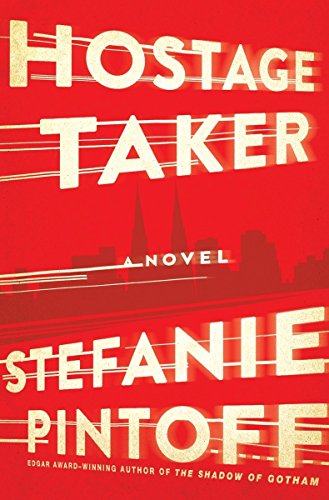
Interview with Stefanie Pintoff, author of Hostage Taker

Tell us a little bit about your new release, Hostage Taker.

Hostage Taker represents a new direction for me – specifically a change of genre and time-period. The idea for the novel came to me shortly after Saint Patrick’s Cathedral began its massive renovation project—and I first saw the Cathedral buried in scaffolding. I looked at the chaos and upheaval, and began to think: what if … ?

Those what ifs built upon one another until I conceived a story where the fates of a beloved landmark and an unknown number of hostages were at stake. Where the only hope would be FBI agent Eve Rossi and her unconventional team of ex-convicts—a secret unit with extraordinary talents, oversized egos, and contempt for the rules. Where as a writer, I could blend my love of this city’s history with my desire to write a page-turning contemporary thriller.

Hostage Taker was great fun to write – and I hope readers will enjoy it!

If you could have dinner with anyone, alive or dead, who would you choose and why?

It’s almost impossible to pick just one person, but if forced to choose, I would pick Winston Churchill. His vision, leadership, imagination, and legacy fascinate me to no end.

What’s your favorite scene from your book?

A good thriller requires plenty of twists and turns—not to mention edge-of-your-seat suspense to keep you turning the pages—so my favorite scene is actually my final twist. If it surprises readers, then I’ll have done my job well.

What makes your world go round?

A great book, a sweet dog, and creating good memories with my family and friends.

Who is your favorite fictional character from literature?

Though it’s too hard to pick an absolute favorite, one of my top favorites is Hannibal Lecter from The Silence of the Lambs. He’s one of the best and most memorable villains ever created.

You wouldn’t be caught dead, where?

Camping out in the woods. While it sounds wonderful in theory, bugs and the lack of a hot shower are my downfall.

What’s your favorite quote from Hostage Taker?

“What are you guilty of?”

It’s the question the Hostage Taker repeatedly asks—and it ties in to questions that interest me about problems of social responsibility and particularly the Good Samaritan. This has captured the public imagination ever since the Kitty Genovese case in 1964, when multiple witnesses ignored her cries for help. This is still happening: five years ago in New York, a Good Samaritan named Hugo Tale-Yax was stabbed when he tried to intervene in a fight between a man and a woman. He was a homeless man from Guatemala, and he bled to death on the street while people walked by. One person even took a picture.
This repeated phenomenon raised many questions I wanted to explore as a writer, all of them connected to this quote.

Do you have a favorite local bookstore we can give a shoutout to?

I’m lucky enough to have two. New York City has one bookstore dedicated to mysteries and thrillers, The Mysterious Bookshop —and my favorite neighborhood independent is the Upper West Side’s Book Culture.

Do you have a motto, quote or philosophy you live by?

To paraphrase Maya Angelou, “Hope for the best, prepare for the worst, and be unsurprised by anything in between.”


Stefanie Pintoff is the author of the new book Hostage Taker.

Connect with Stefanie
Author Website

Buy The Book


Buy The Book

Sign up for our email and we’ll send you the best new books in your favorite genres weekly.