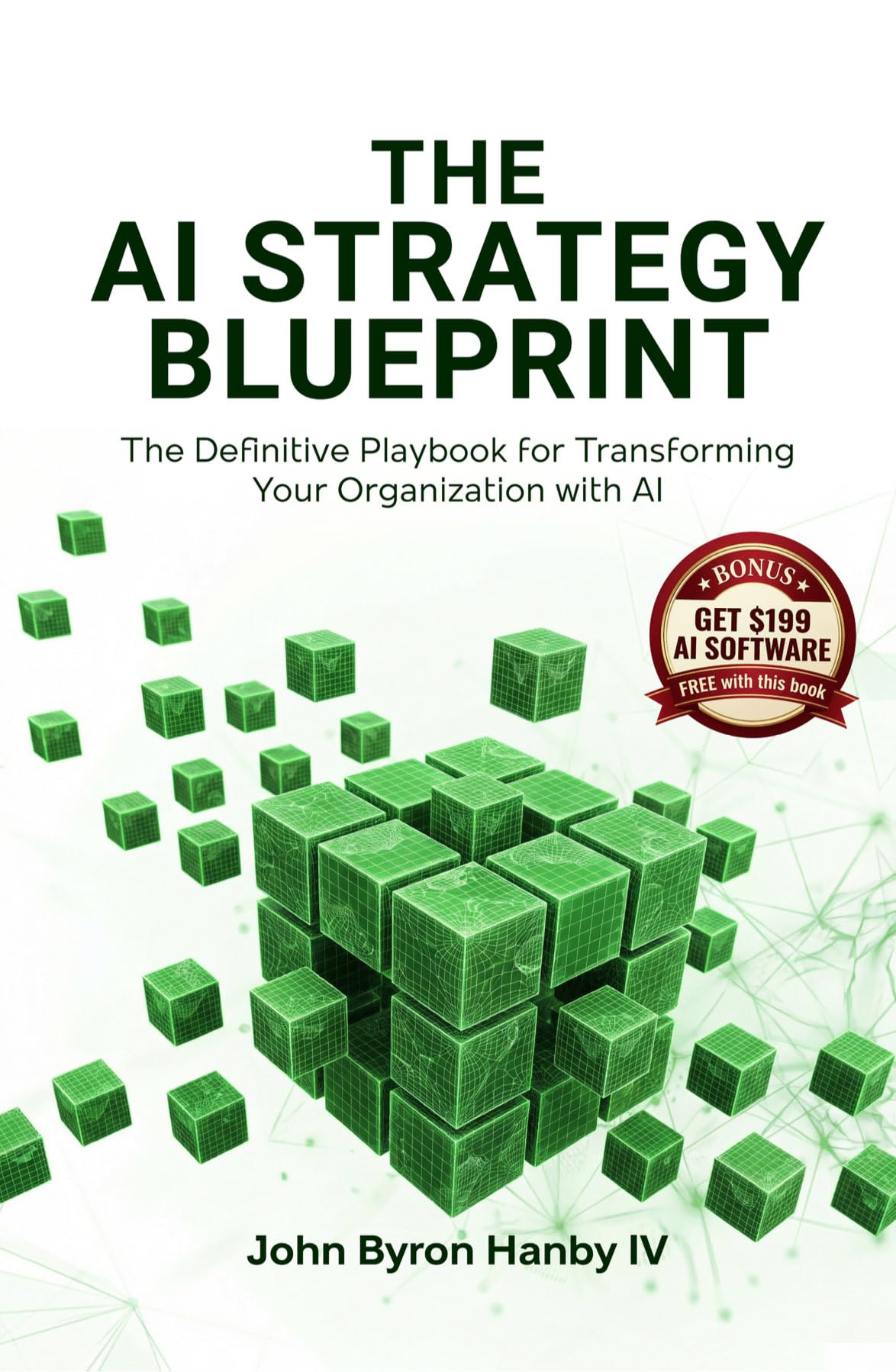
Looking for some new business and finance books for your library? There are so many new releases this week that you’re bound to find a new favorite. You can pick up new books from John Byron Hanby IV, Leah Hadley, Steven E. Ankerstar, and more. Enjoy your new business and finance books. Happy reading!
Blog


New Young Adult Books to Read | March 24
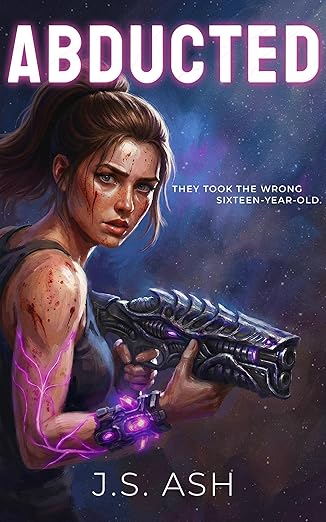
Are you an avid reader of Young Adult books? This week you are in luck! With all of these new novels, you’re bound to find a new favorite book to add to your reading list. This week includes new novels from bestselling authors Clara Nielsen, Annette K. Larsen, Donna Taylor, J.S. Ash, and more. Enjoy your new young adult books. Happy reading!


New Biography and Memoir Books to Read | March 24
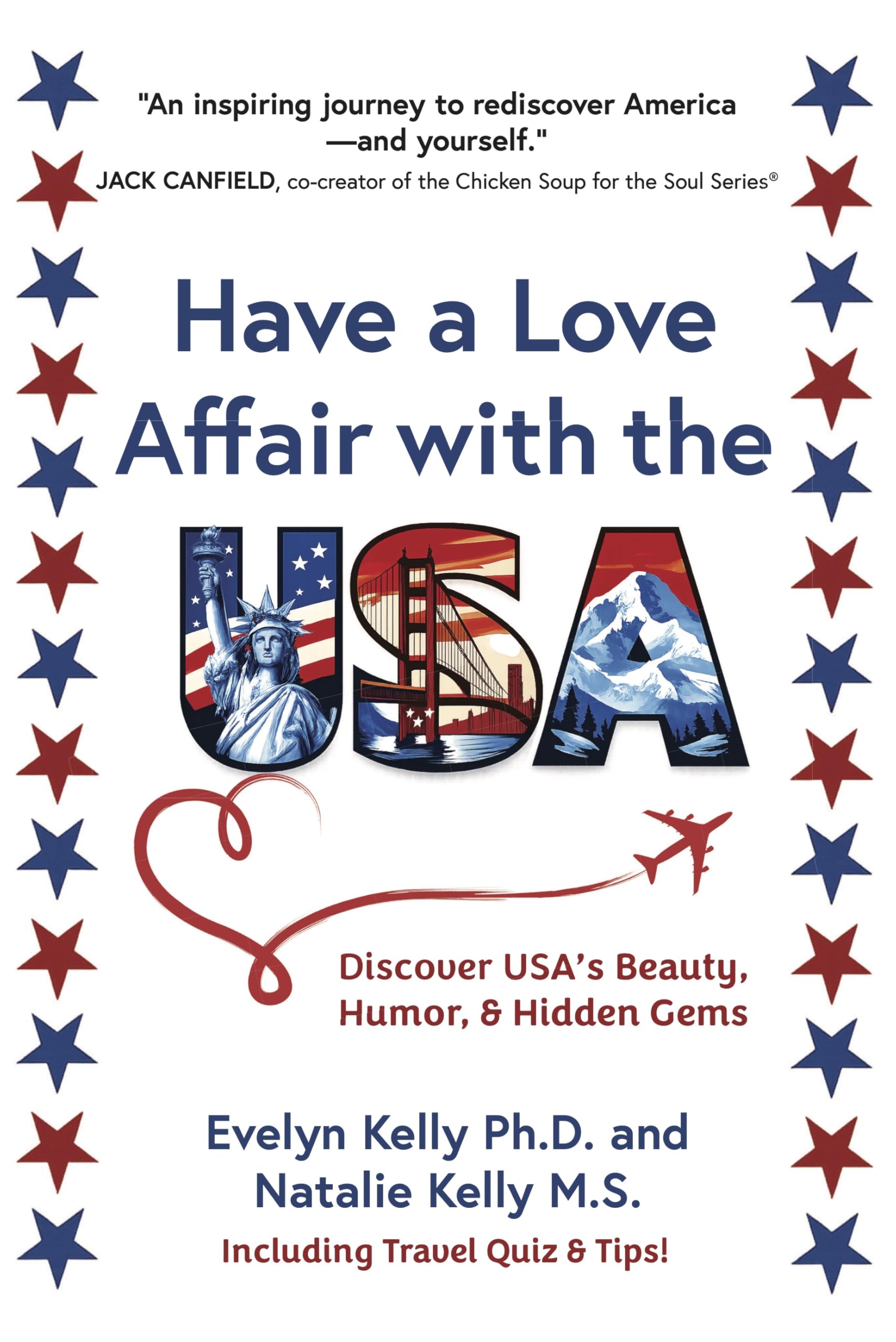
Looking for some new biography and memoir books for your library? There are so many new releases this week that you’re bound to find a new favorite. You can pick up new books from Evelyn Kelly and Natalie Kelly, Dr. Charles Kaner, Ray Tye, Mimi Nichter, and more. Enjoy your new biography and memoir books. Happy reading!


New Science Fiction and Fantasy Books | March 24
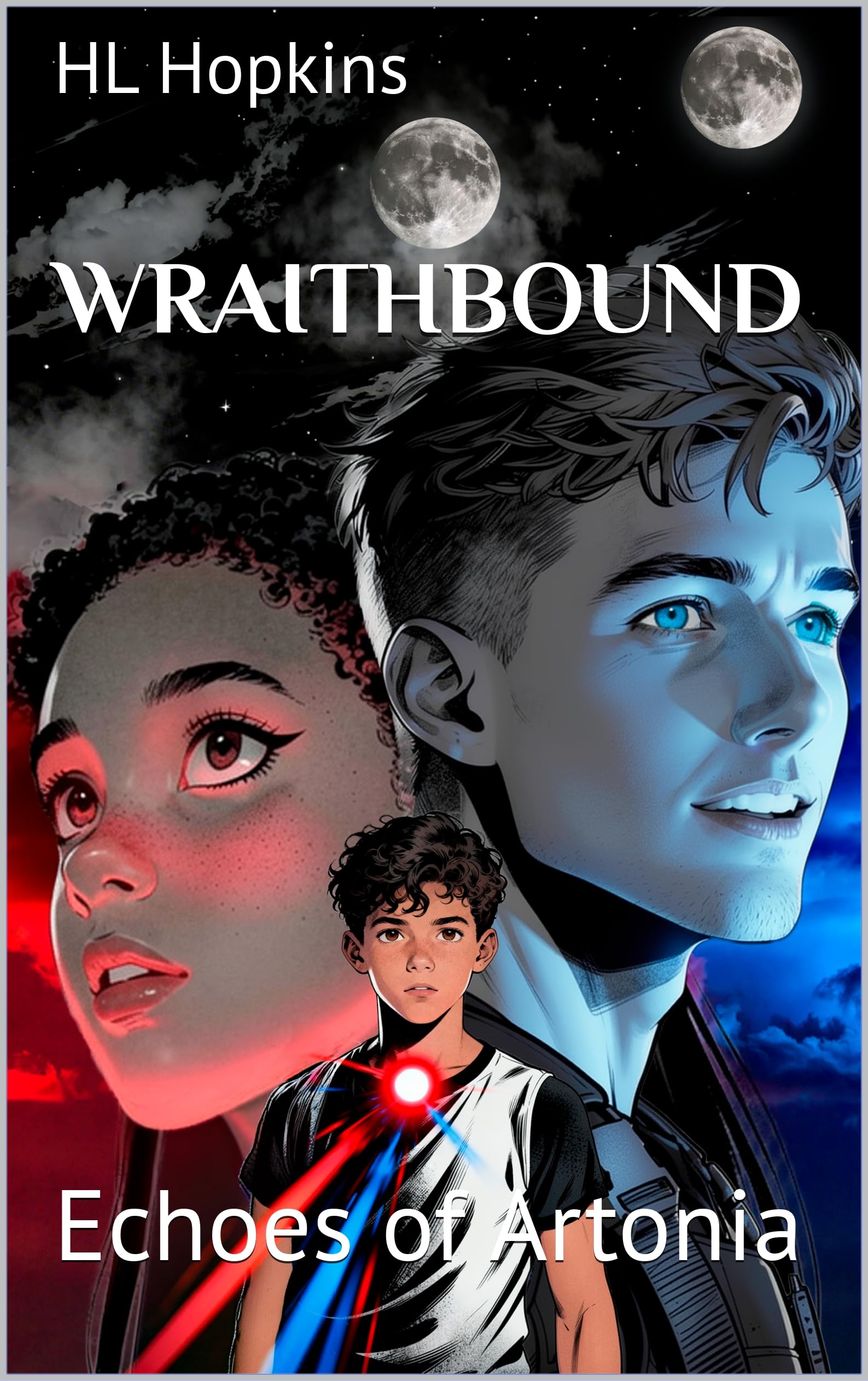
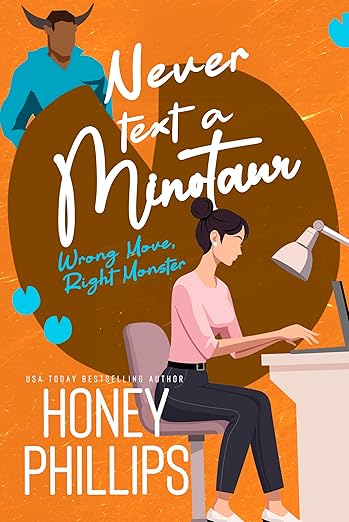
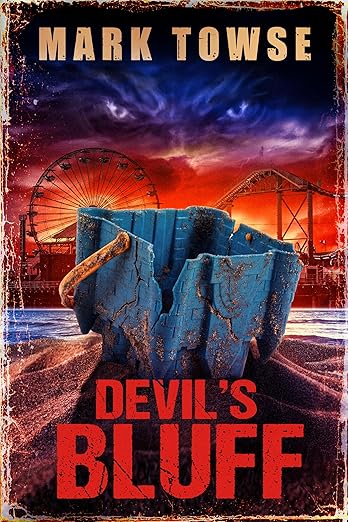
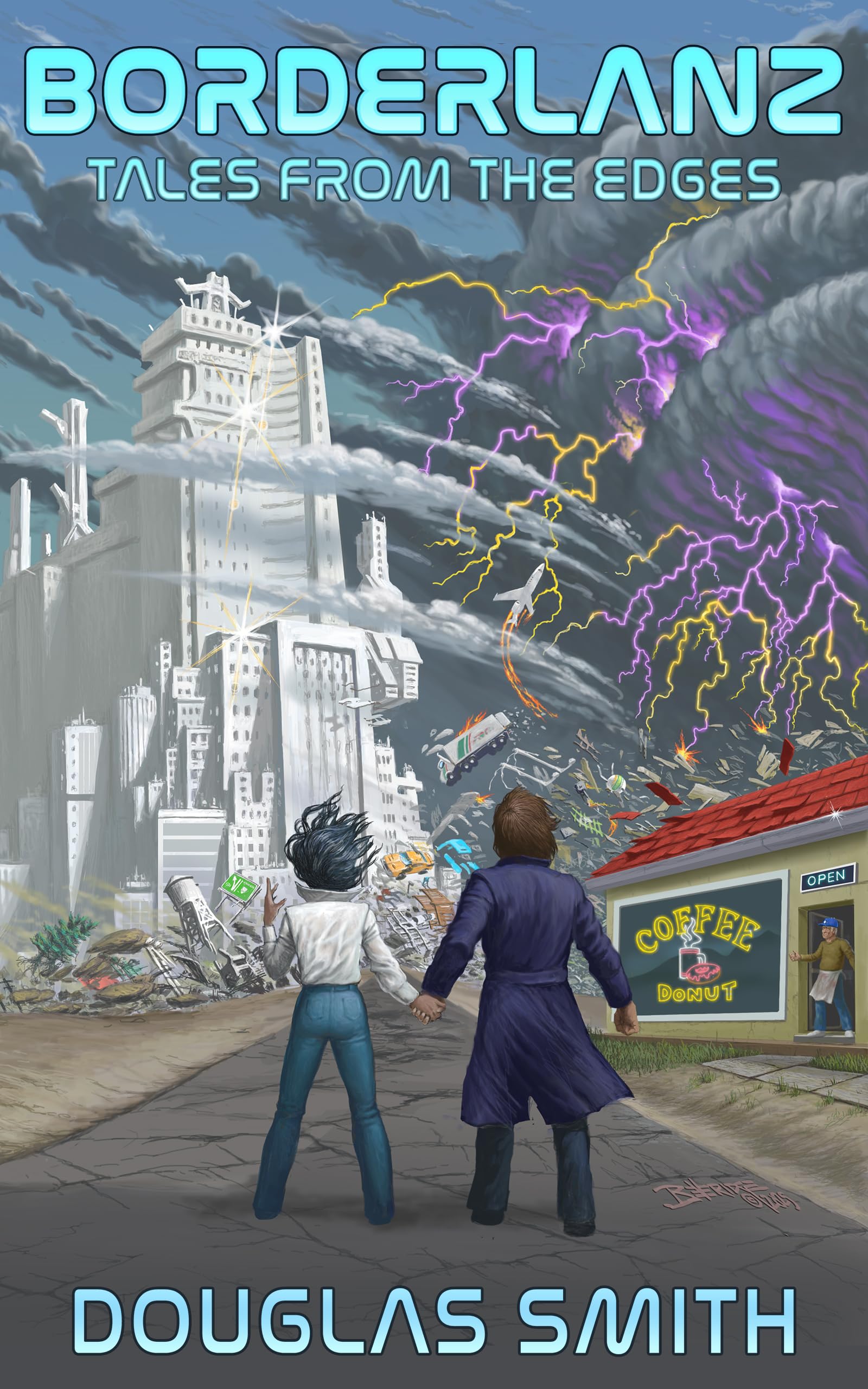
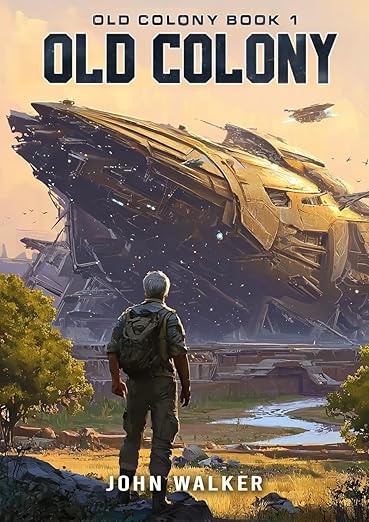
Set off on an adventure to new worlds this week! This selection of new science fiction and fantasy books will surely please! Science Fiction fans should be excited about the latest from bestselling authors Douglas Smith, John Walker, Bruce Sentar, Sara Fields, Harley Tate, and more. If Fantasy is what your library needs, you’ll be able to pick up the latest from HL Hopkins, Aimee Lynn, Honey Phillips, Briar Boleyn, Mark Towse, and more. Enjoy your new science fiction and fantasy books. Happy reading!




New Books to Read in Literary Fiction | March 24
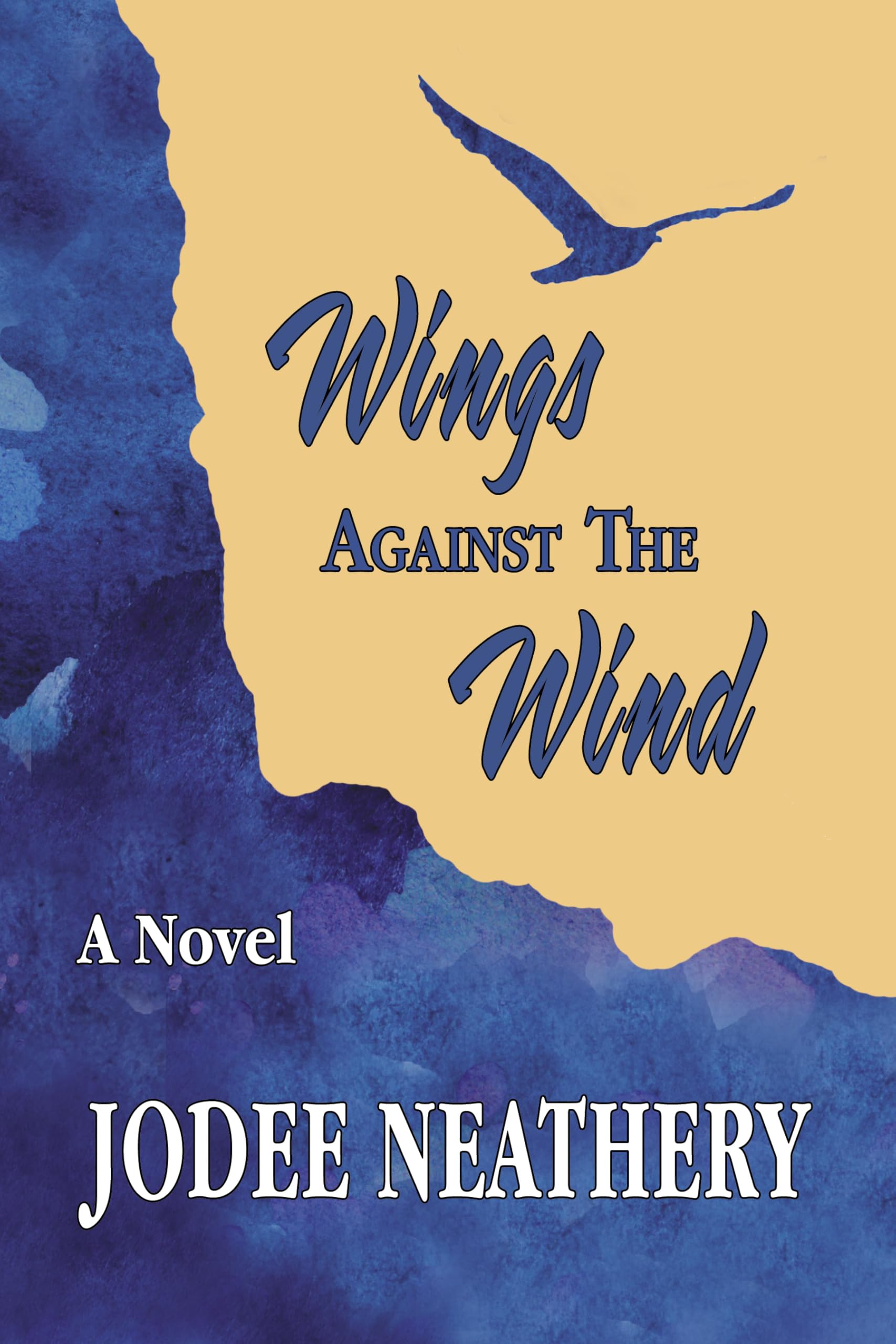
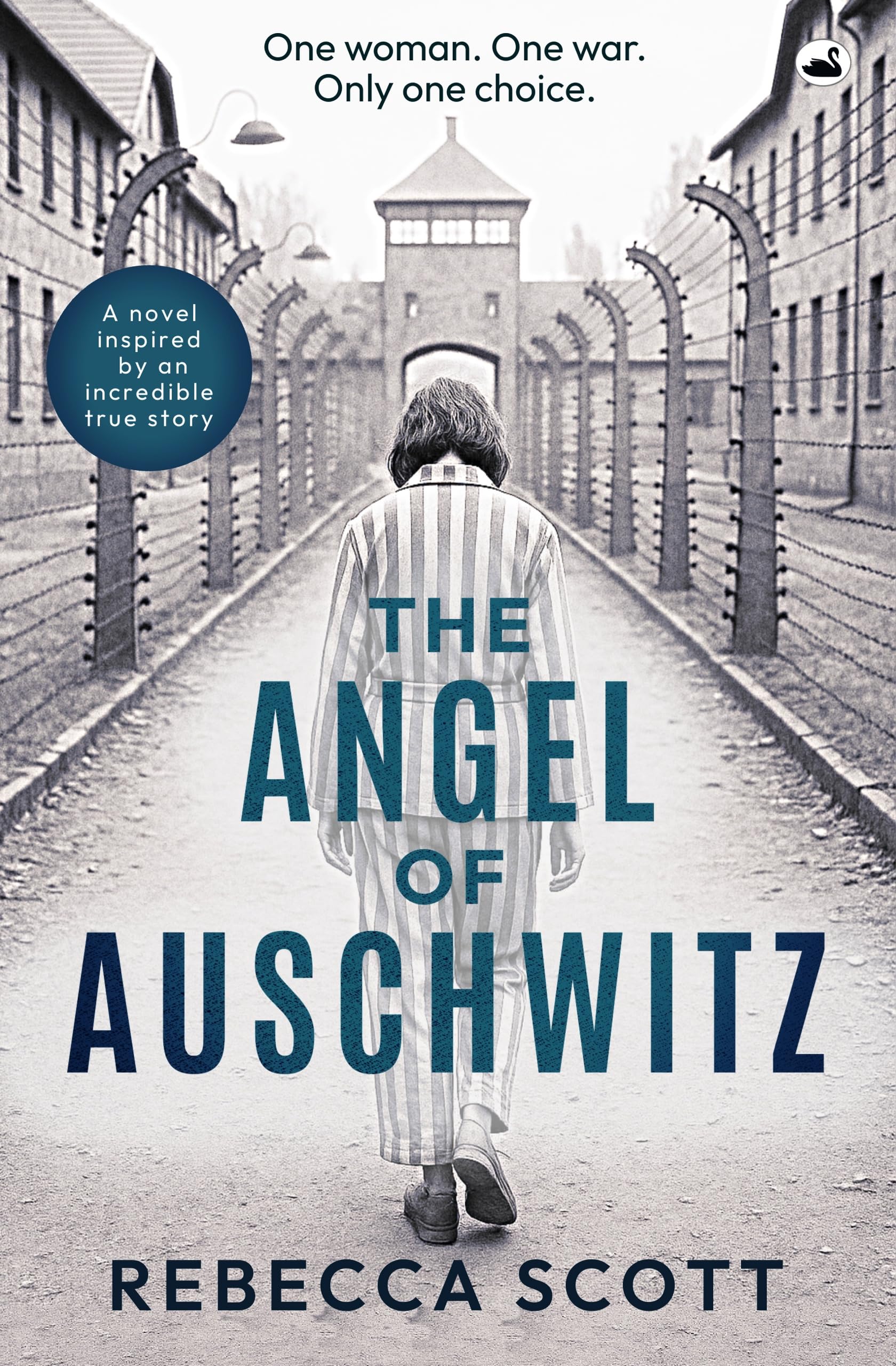
Literary fiction readers are in for a treat. This week’s latest releases list is full of intriguing reads you won’t want to miss! The new releases list includes so many bestselling authors like JoDee Neathery, Bonnie Blaylock, Anna Quindlen, Marion Kummerow, Rebecca Scott, and more. Enjoy your new literary fiction books. Happy reading!


New Romance Books to Read | March 24
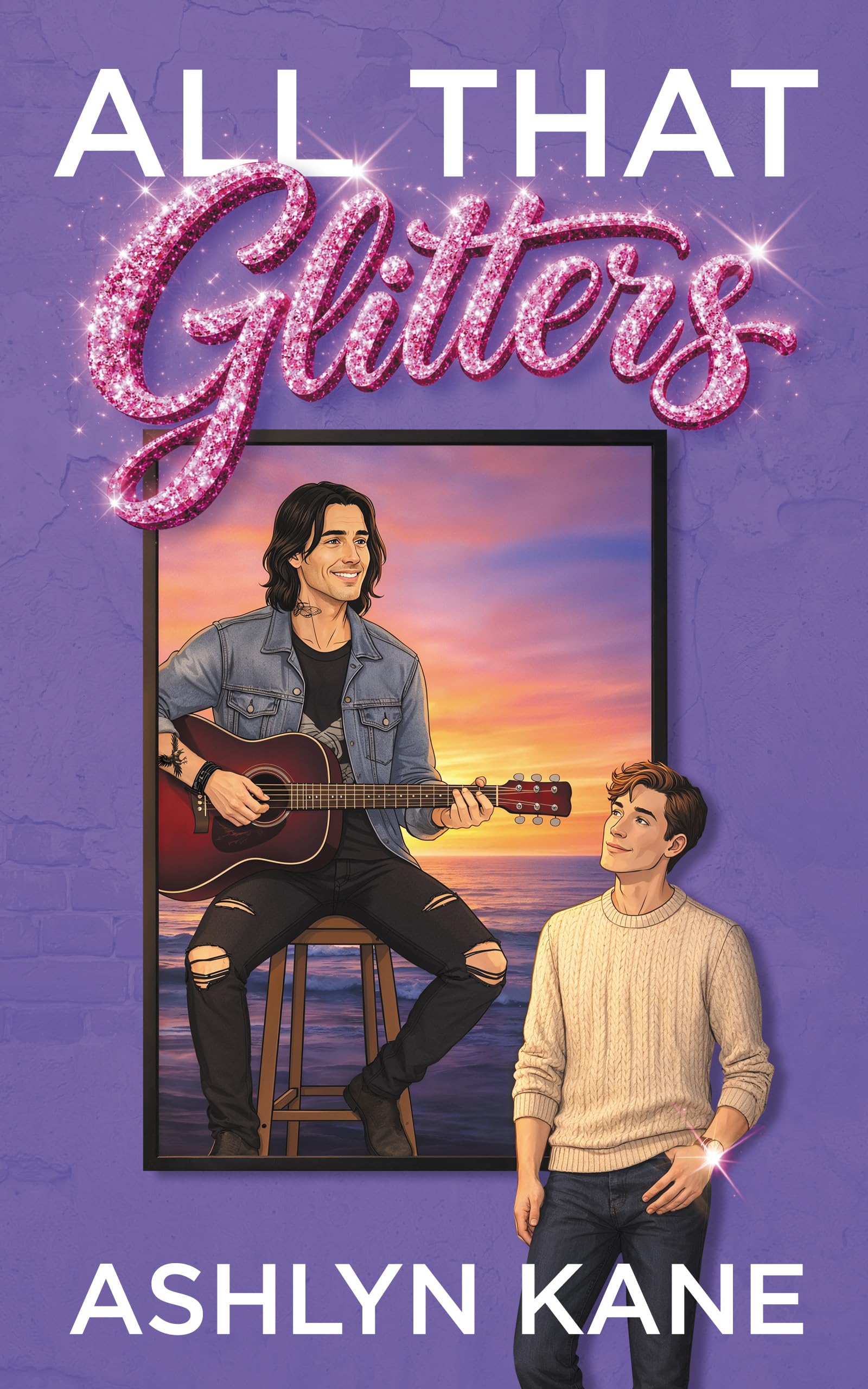
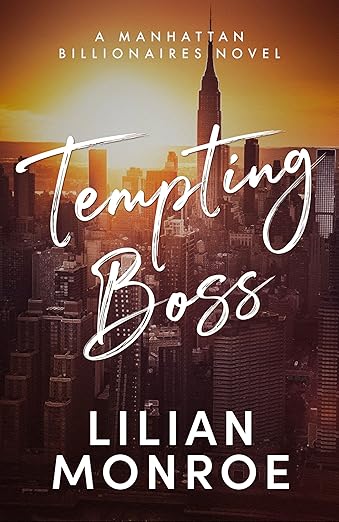
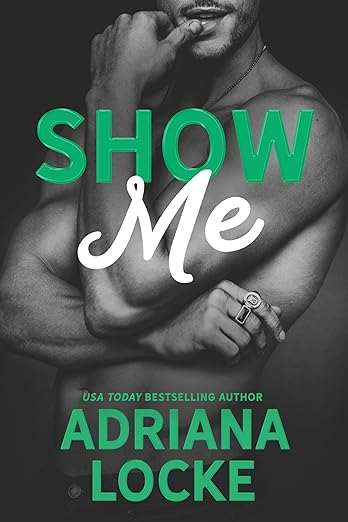
Looking to fall in love with some new romance reads? You’ll adore these exciting new novels! This week you can get your hands on books by bestselling authors Ashlyn Kane, Lilian Monroe, Elodie Hart, Ali Parker, Adriana Locke, and more. Enjoy your new romance books and happy reading!


New Mystery and Thriller Books to Read | March 24
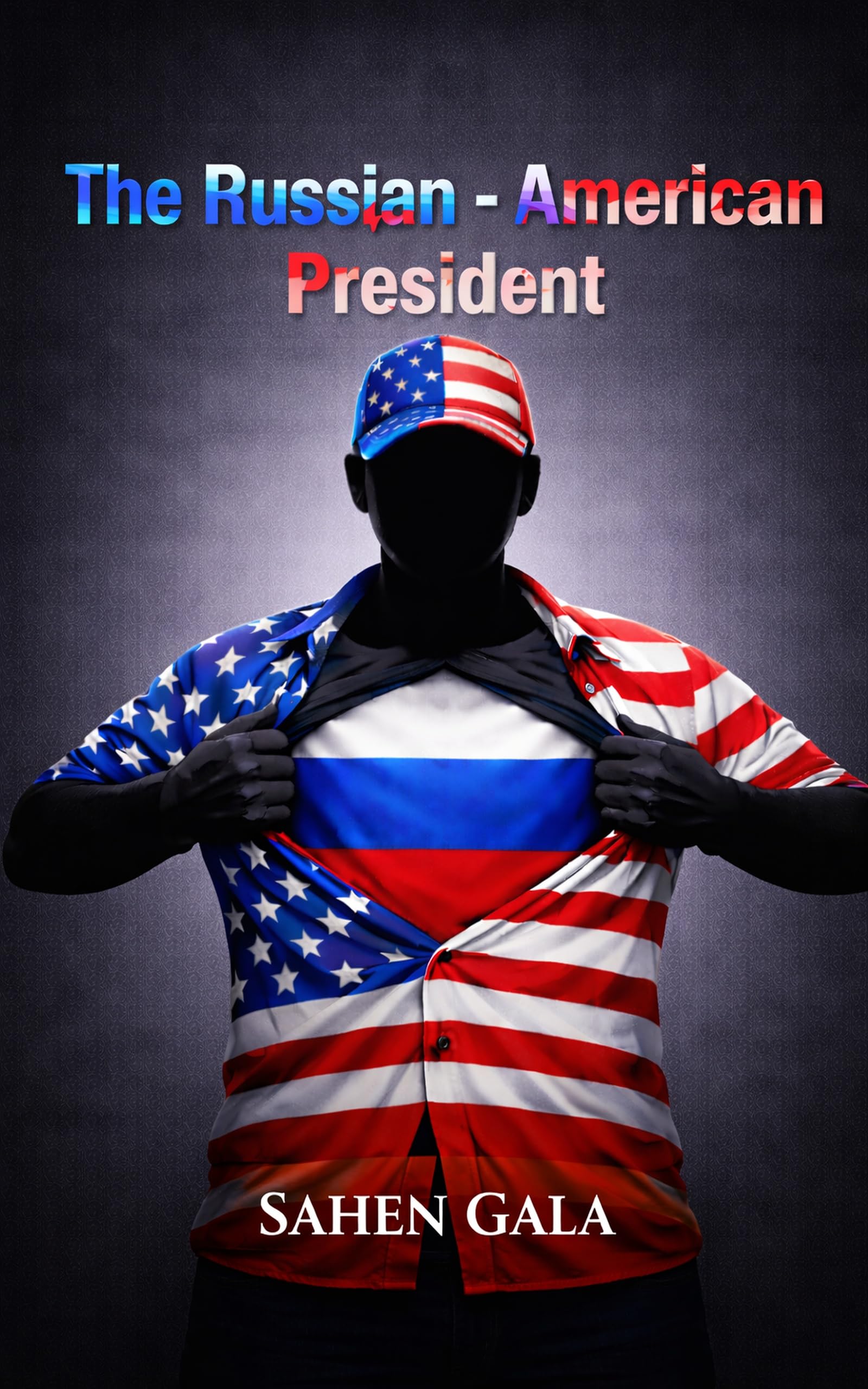
Hold on to the edge of your seat as we hunt for clues and solve the case with these exciting new mystery and thriller books for the week! There are so many bestselling authors with new novels for you to dive into this week including Sahen Gala, Peter Andrews, Jeff Carson, Mikayla Davids, Ellie Marney, and more. Enjoy your new mystery, thriller, and suspense novels. Happy reading!


Interview with Diana Mikas, Author of No Regret Money Rules
What's the story behind the story? What inspired you to write this book?
As a trauma-informed life coach, I’ve supported women around the world as they rebuild after catastrophic divorces and relationship breakups. Watching them reclaim their joy is powerful—but I kept seeing the same next struggle: money. And it makes sense. Most women were never given the same playbook for financial stability, especially after a major life disruption. Shame, fear, and self-doubt creep in fast, and without a clear framework, it’s easy to spiral, stall, or hand your power away again. I wrote No Regret Money Rules to start a different kind of conversation—one rooted in money boundaries, self-trust, and protection. It’s a simple set of rules women can use to realign their worthiness with practical action, create financial autonomy, and make decisions they won’t regret later. Because starting over shouldn’t mean starting from zero. It should mean starting with standards—and building a life that feels safe, steady, and yours.
What's your favorite genre to read? Is it the same as your favorite genre to write?
My favorite genre to read is historical drama—especially when it’s threaded with fantasy or rooted in real history. I love stories that feel immersive and lived-in, where the emotional stakes are big and the world is richly researched. Diana Gabaldon’s Outlander series is a perfect example of that blend for me, and I’m also drawn to authors like Gregory Maguire and Margaret George, who write with that “history-as-myth” intensity. Is it the same genre I love to write? Not exactly. I love reading sweeping, historical, character-driven epics—but when I’m writing, I’m most at home in practical nonfiction that helps women reclaim power in real life, especially around self-trust, boundaries, and money. Reading lets me escape into a world; writing lets me build tools that change someone’s world.
What books are on your TBR pile right now?
I go through seasons with reading. In deep winter and during summer break, I’ll devour fiction—especially historical dramas and fantasy rooted in history. The rest of the year, I tend to go all-in on whatever topic I’m most curious about. Right now, that’s money and belief. When I’m in that mode, I can easily read two books in a weekend. At the moment I’m into Buffettology (Mary Buffett), Entity Possession (Samuel Sagan), and The Magic of Believing (Claude M. Bristol).
Do you have any quirky writing habits? (lucky mugs, cats on laps, etc.)
Not especially quirky, but I am very particular: I make sure I’m well fed, I keep a cup of mint tea within reach, and I shut down every distraction. Once everything’s quiet, I can drop in and write.
Do you have a motto, quote or philosophy you live by?
I do have a personal manifesto. A portion of it goes like this: “I am the calm in the reset. I am the pattern-breaker, the truth-holder, the woman who leads in transition. I do not chase peace — I create it. Through clarity. Through presence. Through trust that cannot be outsourced...I walk the closing chapters. I lead the ones who are ready to begin again. My life is not a performance — it is a transmission. And my leadership is not loud — it is resonant.”
If you could choose one thing for readers to remember after reading your book, what would it be?
If readers remember one thing after No Regret Money Rules, I want it to be this: You’re not “bad with money.” You’re worthy of protection—and you can build a system that makes your future feel safe. Not through hustle or perfection, but through clear standards, small consistent decisions, and money boundaries that keep you from betraying yourself again.

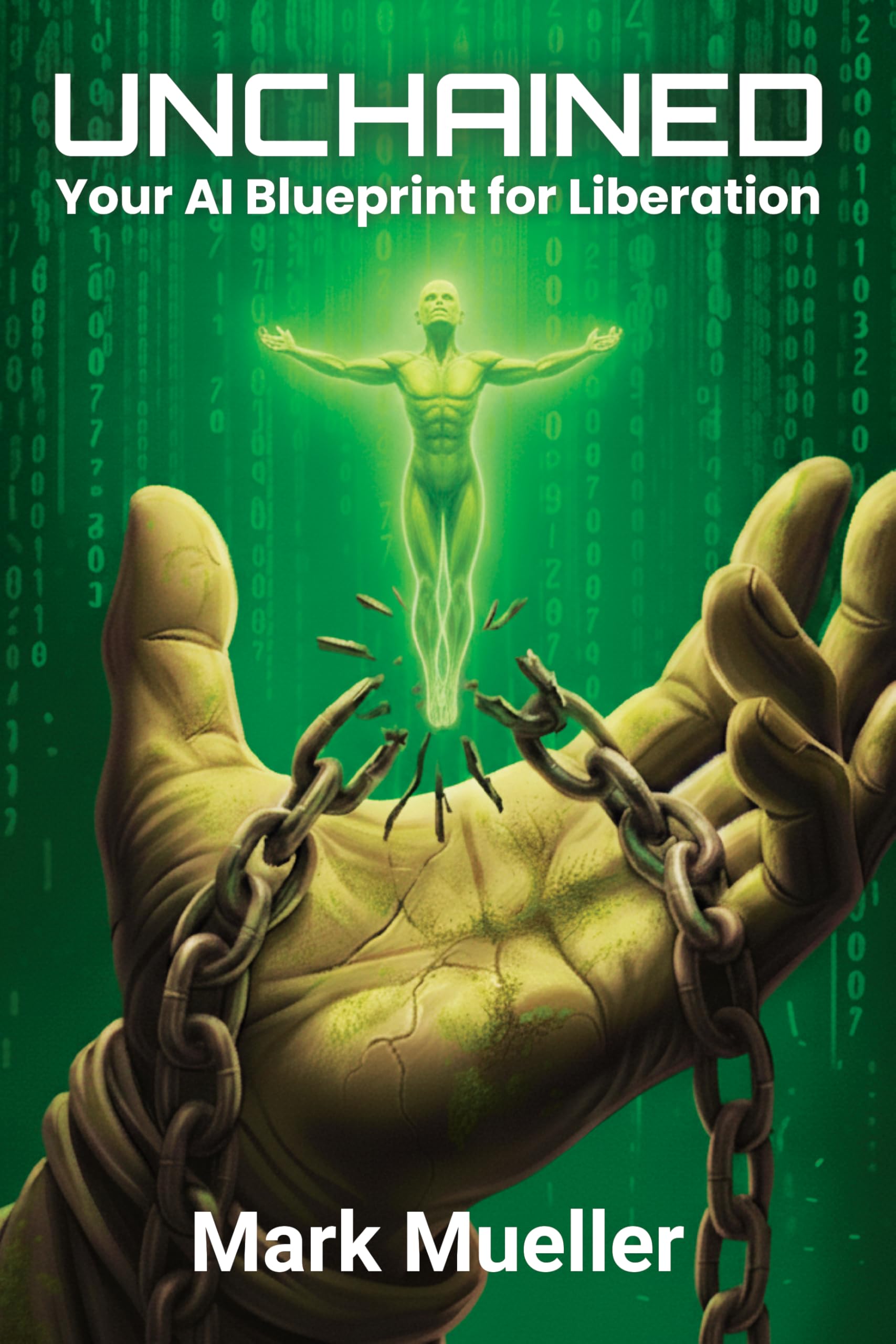
Interview with Mark Mueller, Author of Unchained: Your AI Blueprint for Liberation
What's the story behind the story? What inspired you to write this book?
The story behind Unchained is one of a thirty-year “yo-yo” finally hitting the floor and refusing to bounce back. I spent three decades navigating a dozen different sectors, but it wasn’t until I was inside the boardroom of AI startups that I saw the dual nature of the beast. I watched leadership transition from using AI to empower humans to using it to replace them. I saw the blueprint for a future where 98% of the population is treated as “legacy code”—an expendable commodity to be automated out of existence. During my 18-month struggle with furlough and unemployment starting in 2023, my frustration forged into what I call “white-hot” anger. In metallurgy, that’s the point of maximum heat just before a structure collapses—but for me, it wasn’t blind rage; it was the highest moment of clarity I’ve ever known. In that heat, the illusion dissolved. I saw “The Matrix” for what it is: a system designed to keep us numb, enslaved to debt, and desperate for crumbs. I looked at today’s graduates—kids who followed every rule—only to find the middle-class ladder replaced by a locked door. I saw a “structural freeze” where entry-level roles aren’t just shifting; they are being deleted.
I realized then that I wasn’t just fighting for my own survival—I was documenting the crime scene of the American Dream. I wrote this book because I had the foresight to see this “freeze” coming, and I couldn’t sit by while the human spirit was hollowed out for the sake of “efficiency.” Unchained is my line in the sand. It’s for the workers told they are obsolete and the graduates standing in the dust. While the market floods with generic guides on how to use the same prompts as everyone else, I wrote this to remind us that once everything is automated, the only thing that matters is a soul with a mission. I’m not teaching you how to be a better cog; I’m teaching you how to break the machine.
If you had to pick theme songs for the main characters of your book, what would they be?
Since *Unchained* is a nonfiction blueprint for liberation, I am the “main character” by default, and if this journey had a soundtrack, it would be “Body Beautiful” by Salt-N-Pepa. It wasn’t their biggest commercial hit, but it is a powerhouse anthem about refusing to be silenced. Here are the reasons why this song resonates with the pages of the book: The song features a pounding, unapologetic rhythm with a heavy beat that screams freedom and ownership. It mirrors the “white hot” clarity I describe in the book—that moment when the noise of “the Matrix” fades away and you realize your own power. The lyrics are about owning your beauty and your worth regardless of what society tells you. In 2026, where workers are being treated as disposable “legacy code,” this song is the ultimate anthem for reclaiming our humanity. Just as the song was a standout moment in the film “To Wong Foo, Thanks for Everything! Julie Newmar,” it represents the courage to be different in a world of “vanilla” AI prompts. It’s about standing tall when the system expects you to shrink. The rhythm doesn’t just ask for freedom; it demands it. It’s the sonic equivalent of owning your space, your voice, and your future with zero apologies. This track reminds me that while the boardroom may try to automate our tasks, they can never automate our rhythm or our mission.
What's your favorite genre to read? Is it the same as your favorite genre to write?
I’m actually deeply obsessed with a genre I call “Metaphysical Sovereignty.” I spend most of my time reading the “Lost Philosophers” of the 19th and early 20th centuries—people like Phineas Quimby, Thomas Troward, Ernest Holmes, and James Allen. These thinkers were writing during a unique window of time: just after the birth of the Industrial Revolution but before the Gilded Age of Rockefeller, Carnegie, and Edison turned humanity into a series of standardized parts. I’m fascinated by that era because it was the last time we truly viewed the individual as an architect of their own reality rather than a “nutrient” for an industrial system. When the titans of industry built their empires, they didn’t just build factories; they built a societal blueprint that prioritized efficiency over the human spirit. The titans replaced the “divine spark,” which Quimby and Allen wrote about, with the “employee ID.” They taught us to be good cogs, to fear the “structural freeze,” and to wait for a ladder that they eventually locked behind us.
What books are on your TBR pile right now?
I’m actually deeply obsessed with a genre I call “Metaphysical Sovereignty.” I spend most of my time reading the “Lost Philosophers” of the 19th and early 20th centuries—people like Phineas Quimby, Thomas Troward, Ernest Holmes, and James Allen. These thinkers were writing during a unique window of time: just after the birth of the Industrial Revolution but before the Gilded Age of Rockefeller, Carnegie, and Edison turned humanity into a series of standardized parts. I’m fascinated by that era because it was the last time we truly viewed the individual as an architect of their own reality rather than a “nutrient” for an industrial system. When the titans of industry built their empires, they didn’t just build factories; they built a societal blueprint that prioritized efficiency over the human spirit. The titans replaced the “divine spark,” which Quimby and Allen wrote about, with the “employee ID.” They taught us to be good cogs, to fear the “structural freeze,” and to wait for a ladder that they eventually locked behind us.
What scene in your book was your favorite to write?
My favorite “scene” to write wasn’t just one moment; it was the process of storyboarding the collapse of the old world to make room for the new. I loved the challenge of weaving my most vulnerable, “messy” moments—like sneaking into a friend’s condo just to have a floor to sleep on—directly into the cold, hard data of a rigged economy. The book starts as an autobiography, but it’s framed for the 98% of us who have been boxed in by policy and debt. I wanted to show that my story of illness and burnout isn’t an outlier; it’s a symptom of a systemic “structural freeze.” My favorite part was building that bridge where personal ties, philosophy, and the human spirit meet the cutting edge of technology. A recent editorial review called it a “graphic novel for the soul,” and that’s exactly right.
Do you have any quirky writing habits? (lucky mugs, cats on laps, etc.)
My “quirky habit” is essentially entering a trance. Once the “white hot” clarity hits, it’s like a “word vomit” situation—exactly how it’s described in Mean Girls. My fingers start moving faster than my conscious brain can keep up with. I’m not just “writing” at that point; I’m downloading. I’m hyper-focused to the point of being unreachable. The world around me completely dissolves. I don’t need lucky mugs or cats on my lap—I just need the friction of the system to hit that boiling point. When that happens, the “graphic novel for the soul” starts writing itself through me. It’s messy, it’s intense, and I don’t stop until the metal starts to cool.
Do you have a motto, quote or philosophy you live by?
I live by a philosophy that is actually the heartbeat of Unchained: Practice Makes Purpose. Most people wait for a “calling” or for “perfection” to strike before they move, but perfection is an illusion—it’s a ghost that keeps you stagnant. I believe purpose isn’t found; it’s forged through the daily, messy practice of showing up. I lean heavily on the Law of Volition, a concept championed by thinkers like Ernest Holmes. It’s the idea that the universe doesn’t just happen to you; it responds to the deliberate, conscious direction of your will. For me, writing this book was an Act of Volition. It was a choice to stop being a “nutrient” for a rigged system and start being the architect of a new one. In my world, we don’t wait for the machine to give us permission. We practice until our purpose becomes undeniable.
If you could choose one thing for readers to remember after reading your book, what would it be?
If you only take one thing away from this book, let it be this: You are not a line of “legacy code” waiting for a corporate delete key. Look, I’ve been there. I’ve sat in those boardrooms where they talk about “efficiency” like it’s a god, and I’ve sat in those waiting rooms with an infection I couldn’t afford to treat. I know the fear of being expelled by a system that doesn’t see your soul—only your cost. But here’s the truth: the machine can’t process. Your mind is the only asset they can’t automate. My book is messy, it’s fiery, and it’s personal because humanity is all those things. AI can predict patterns, but it can’t feel “white hot” clarity. It can’t possess the volition to stand up and say “No.” The system wants you numb, scared, and “chained” to the idea that you’re obsolete. Don’t believe the lie. You are the architect of your own liberation. It’s time to stop being the nutrient for their machine. Wake up, find your mission, and let’s get Unchained.
Mark Mueller is the author of the new book Unchained: Your AI Blueprint for Liberation
Connect with Mark Mueller
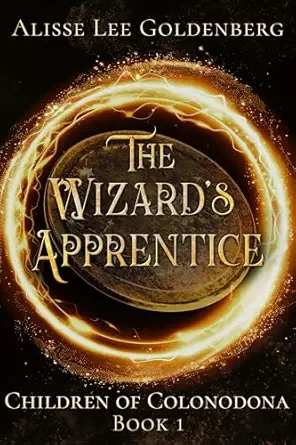
Interview with Alisse Lee Goldenberg, Author of The Wizard's Apprentice
What's the story behind the story? What inspired you to write this book?
This book came from a number of places. At its heart, The Children of Colonodona is a sequel series to The Sitnalta Series. It\'s what happens when you, as a writer, get to look down the road a ways. What happens after the happily ever after? What about the next generation? I wanted to be able to tell a different kind of story, with a new batch of characters (and some old familiar faces). One of the biggest questions that these characters are dealing with is the idea of acceptance. These royals are a very different grouping. We have a prince who has magic in a kingdom where power is important. However, there has never been a wizard to take the throne, as it\'s believed they would have too much power over the people. In contrast, his sister, who as the eldest, should take the throne. But who she is, and who she loves means that there will never be a clear cut heir. Both of these characters are fighting for acceptance from their people, from their family, and ultimately from within. These are all issues that readers are dealing with as well (albeit with a little less magic).
If you had to pick theme songs for the main characters of your book, what would they be?
Ooh, this is fun. I’d have to say that the Colonodona playlist would look something like this: Lucas: “I’m the Problem” by Morgan Wallen, Audrina: “Unwritten” by Natasha Bedingfield, Gertrude: “You Belong With Me” by Taylor Swift, Lettie: “I Kissed a Girl” by Katy Perry
What's your favorite genre to read? Is it the same as your favorite genre to write?
I love reading fantasy novels, especially anything by Charles de Lint or O.R. Melling, both fabulous Canadian authors. I also love mystery books, and Laurie R. King is a big favourite of mine. I do tend to write what I like to read, although lately my works in progress are looking a little contemporary fiction right now. I have a few works in both YA and Middle Grade that are very much set in the real world. So, I suppose my TBR pile is where I get to escape to other realms.
What books are on your TBR pile right now?
I am currently reading my way through the “Fourth Wing” series by Rebecca Yarros, and I’m loving it so far. Next up, when I’ve finished that, there’s the futuristic novel “Califia’s Daughters” by Laurie R. King, writing under the name “Leigh Richards.”
What scene in your book was your favorite to write?
I love to write dream sequences, or in this case—nightmares. It’s a chance where I can turn the world on its head, expose characters’ inner thoughts and fears, and bring issues to light in ways that might not make sense in other scenarios. “The Wizard’s Apprentice” has a few of those, where I get to play with fate and the idea of what’s possible in scenarios that have consequences that are far-reaching in unexpected ways.
Do you have any quirky writing habits? (lucky mugs, cats on laps, etc.)
I do a lot of writing in longhand—pen to paper. It’s so much easier to toss a notebook and pen into a purse in case I get an idea than it is to tote a laptop around. I’ve also begun making playlists for my books and my characters, so I listen to what I feel they would be listening to. It really gets me into the right mindset and mood to get some writing done. It’s also been a lot of fun.
Do you have a motto, quote or philosophy you live by?
My cousin Oskar told my kids, “If it’s meant to be, it’s up to me.” That really stuck with me because it’s so simple, and it’s also so true. We make our own opportunities, and we also decide how hard we’re going to push for something to happen. I don’t want to look back and think “if only…” I want to be able to see that I did my best, and I pushed my hardest to make my dreams a reality.
If you could choose one thing for readers to remember after reading your book, what would it be?
We are who we are, and we should accept ourselves and each other for who we are, flaws and all. All life is beautiful, and all love is as well.
Alisse Lee Goldenberg is the author of the new book The Wizard's Apprentice (The Children of Colonodona Book 1)
Connect with Alisse Lee Goldenberg