Looking to fall in love with some new romance reads? You’ll adore these exciting new novels! This week you can get your hands on books by bestselling authors Florence A. Bliss, Rebel Bloom, Chelsea Curto, Jill Shalvis, Max Monroe, and more. Enjoy your new romance books and happy reading!
Blog


New Books to Read in Literary Fiction | July 21
Literary fiction readers are in for a treat. This week’s latest releases list is full of intriguing reads you won’t want to miss! The new releases list includes so many bestselling authors like Maxime Trencavel, Jenny Jackson, Joyce Maynard, Andrew Sean Greer, Phoebe Thompson, and more. Enjoy your new literary fiction books. Happy reading!



New Science Fiction and Fantasy Books to Read | July 21
Set off on an adventure to new worlds this week! This selection of new science fiction and fantasy books will surely please! Science Fiction fans should be excited about the latest from bestselling authors Brandon Q. Morris, Dale Sale, Thomas Trang, Nick Thacker, Francis Malka, and more. If Fantasy is what your library needs, you’ll be able to pick up the latest from N. A. Hydes, LoriO, S.A. Perchez, Elayna R. Gallea, Boris Bacic, and more. Enjoy your new science fiction and fantasy books. Happy reading!


New Biography and Memoir Books to Read | July 21
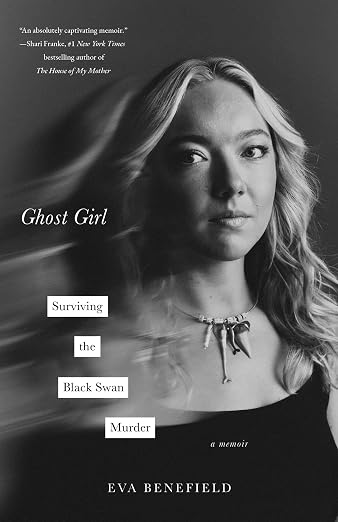
Looking for some new biography and memoir books for your library? There are so many new releases this week that you’re bound to find a new favorite. You can pick up new books from Bobbi Mastrangelo, Eva Benefield, Andrea Wulf, Nephi Craig, and more. Enjoy your new biography and memoir books. Happy reading!



New Young Adult Books to Read | July 21
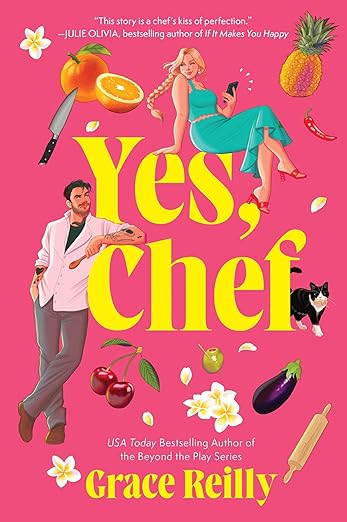
Are you an avid reader of Young Adult books? This week you are in luck! With all of these new novels, you’re bound to find a new favorite book to add to your reading list. This week includes new novels from bestselling authors Alexandra Moody, Cookie O'Gorman, Nissa Renzo, Grace Reilly, and more. Enjoy your new young adult books. Happy reading!


New Business and Finance Books to Read | July 21
Looking for some new business and finance books for your library? There are so many new releases this week that you’re bound to find a new favorite. You can pick up new books from James Richard Thornton, Haley Sacks, Cody Berman, and more. Enjoy your new business and finance books. Happy reading!


Fantasy & Sci-Fi Books That Will Transport You Somewhere Extraordinary
Explore fantasy and science fiction stories where alliances fracture, pirates and politicians clash, and ancient traditions mask dangerous truths. From psychic bounty hunters on jungle planets to cursed heroes and forbidden resurrections, these books deliver razor-sharp intrigue and adrenaline-fueled adventure. Perfect for readers craving high-stakes, genre-bending fiction.
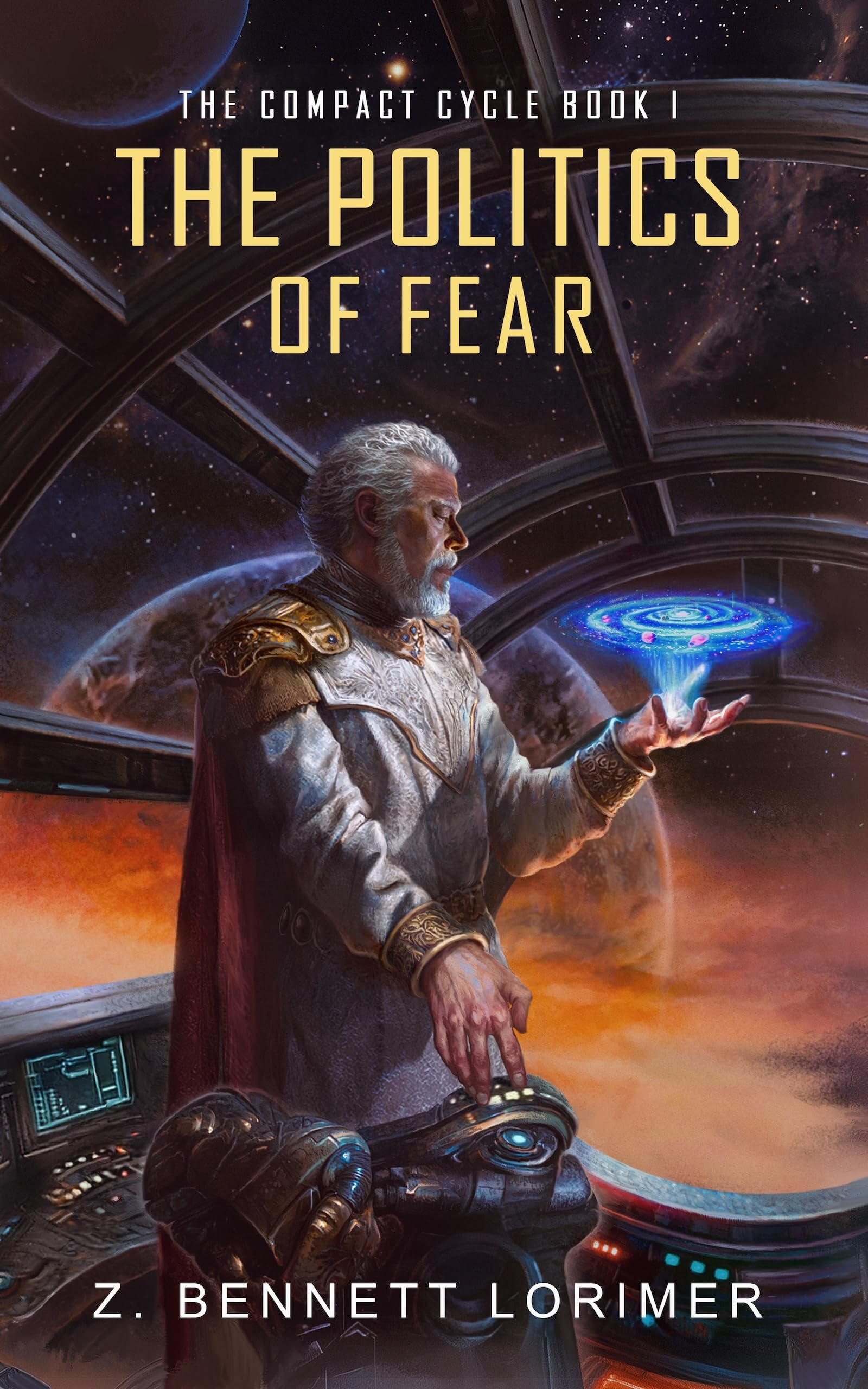
The Politics of Fear (The Compact Cycle Book 1)
by Z. Bennett Lorimer
Release Date: July 7, 2026
Nothing strains the bonds of an alliance quite like peace and prosperity. If you crave space opera with razor-sharp intrigue, The Politics of Fear delivers. Flamboyant pirates, corrupt politicians, psychic bounty hunters, and a mysterious fugitive collide on a jungle planet, where survival means outsmarting not just enemies, but fear itself.
Buy on Amazon
A is for Abduction (The ABCs of Alien Abduction)
by Honey Phillips
Release Date: July 2, 2026
Elementary school teacher Emma Carter never expected aliens to be real. She definitely never expected to find herself on the run with a dangerously attractive smuggler and a mysterious infant sought by some of the most dangerous beings in the galaxy.
Buy on Amazon
Pike's Progress (Lieutenant Commander Pike Book 3)
by John Spearman
Release Date: June 16, 2026
After years in exile running a freight business, legendary hero Alexander "Sandy" Pike has returned to the uniform he never thought he’d wear again. But this isn't the navy he left. Tasked as the Commodore of Battle Group Omega, Pike is handed the keys to the PAS Audacious.
Buy on Amazon
Hunted by the Fae King's Shadow
by Shaylin Gandhi
Release Date: June 18, 2026
Sariah is the perfect Aethrolian princess: pious, pure, and obedient. She prays to her goddess, keeps herself chaste, and above all, despises the heathen fae. The Claiming is supposed to be a formality—a two-hundred-year-old tradition that allows the fae king to choose a human bride. Thankfully, he never has. And once he rejects Sariah, she can fulfill her dreams of joining the priesthood.
Buy on Amazon
Tangled Bonds (Shadow Gods Book 1)
by McKenzie Hunter
Release Date: July 13, 2026
The curse that should have killed me bound me to a Shadow God. I’ve spent years keeping the city’s most powerful vampire houses from tearing each other apart—maintaining a fragile balance of power built on secrets that could get me killed. It makes me valuable. It also makes me a target.
Buy on Amazon
Hearts of Hellfire (The Unmaking Trilogy Book 1)
by Abe Moss
Release Date: June 16, 2026
A grieving widow smuggles her husband's corpse beyond her city's walls to a woman rumored to resurrect the dead—unleashing a truth that could shatter humanity's fragile survival. This tale is not for the faint of heart.
Buy on AmazonLiterary Fiction Novels That Capture Life in All Its Complexity
These Literary Fiction releases probe the ties that bind us—family legacies, fractured relationships, resilience in the face of grief, and aspirations redrawn by tragedy. Whether confronting the ghosts of the past, seeking connection amid upheaval, or finding hope after heartbreak, each novel offers a deep exploration of real lives and the quiet power it takes to carry on. Perfect for readers who crave fiction rooted in emotional complexity and authenticity.
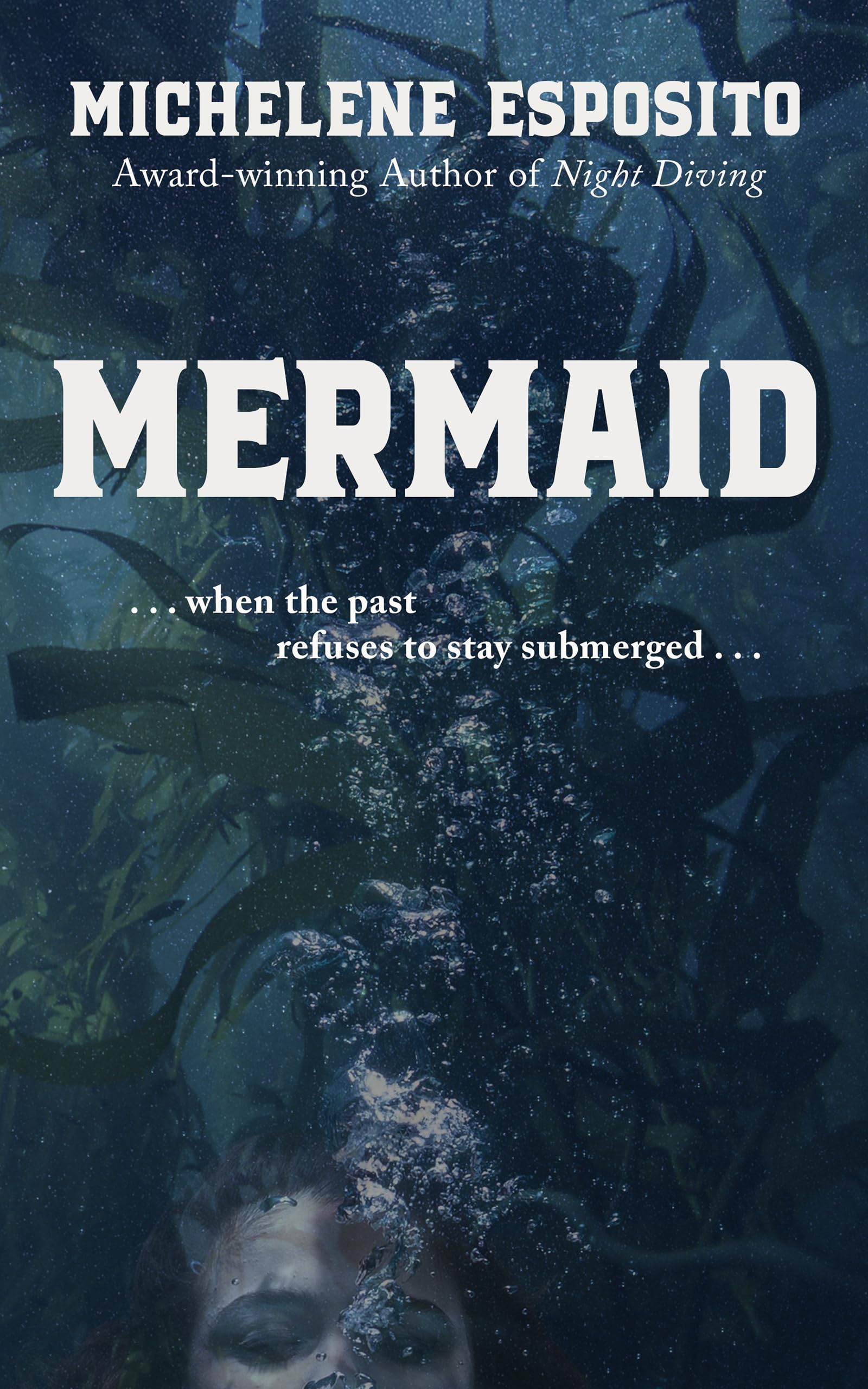
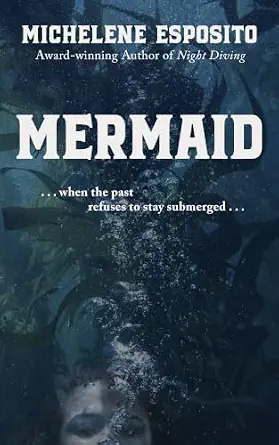
Mermaid
by Michelene Esposito
Release Date: July 11, 2026
Mermaid is a raw saga of tragedy, sisterhood, and healing. May and Kate survived their mother’s fatal drive into San Francisco Bay. Decades later, May craves safety, while Kate is a storm—until she goes missing. As May hunts for her sister, her high school sweetheart returns, scarred from a firefighting injury that once broke their engagement.
Buy on Amazon
Lotus, Mud, Blade (Myths, Mischief & Mayhem)
by Kohōpeh
Release Date: June 15, 2026
To win the heart of a prince, one warrior offers her beautiful face, while another sacrifices her soul. Must one of them die to save the other two? “Readers who enjoy historical fiction and tragic romance in the classic literary style will adore this, as I have. Very highly recommended.” — Readers' Favorite, ⭐⭐⭐⭐
Buy on Amazon
Happier Here With You
by Amy Gail Hansen
Release Date: July 1, 2026
Widowed and overworked, museum curator and food historian Maggie Brodbeck struggles to spend quality time with her five-year-old daughter, Hannah. Fueled by on-the-go meals, she doesn’t even have time to breathe, let alone pursue personal happiness. Then, out of the blue, Maggie receives an invitation from her estranged great-aunt Alice to visit her Wisconsin farm. The time has come, Magpie.
Buy on Amazon
The Museum of Lost Dreams
by Christine Nolfi
Release Date: June 23, 2026
When Bess Rollins’s parents die in a tragic accident, she is forced to abandon her dream job overseas. After three years away, she returns to her family’s estate in the Finger Lakes, a veritable monument to her brilliant late grandmother and a reminder of the wreckage Bess left behind.
Buy on Amazon
A Pair of Aces
by Marie Benedict & Victoria Christopher Murray
Release Date: June 2, 2026
Eunice Carter, assistant district attorney for the City of New York and Manhattan’s first Black female prosecutor, has her sights set on the one and only Lucky Luciano, head of New York City’s five largest organized crime families.
Buy on Amazon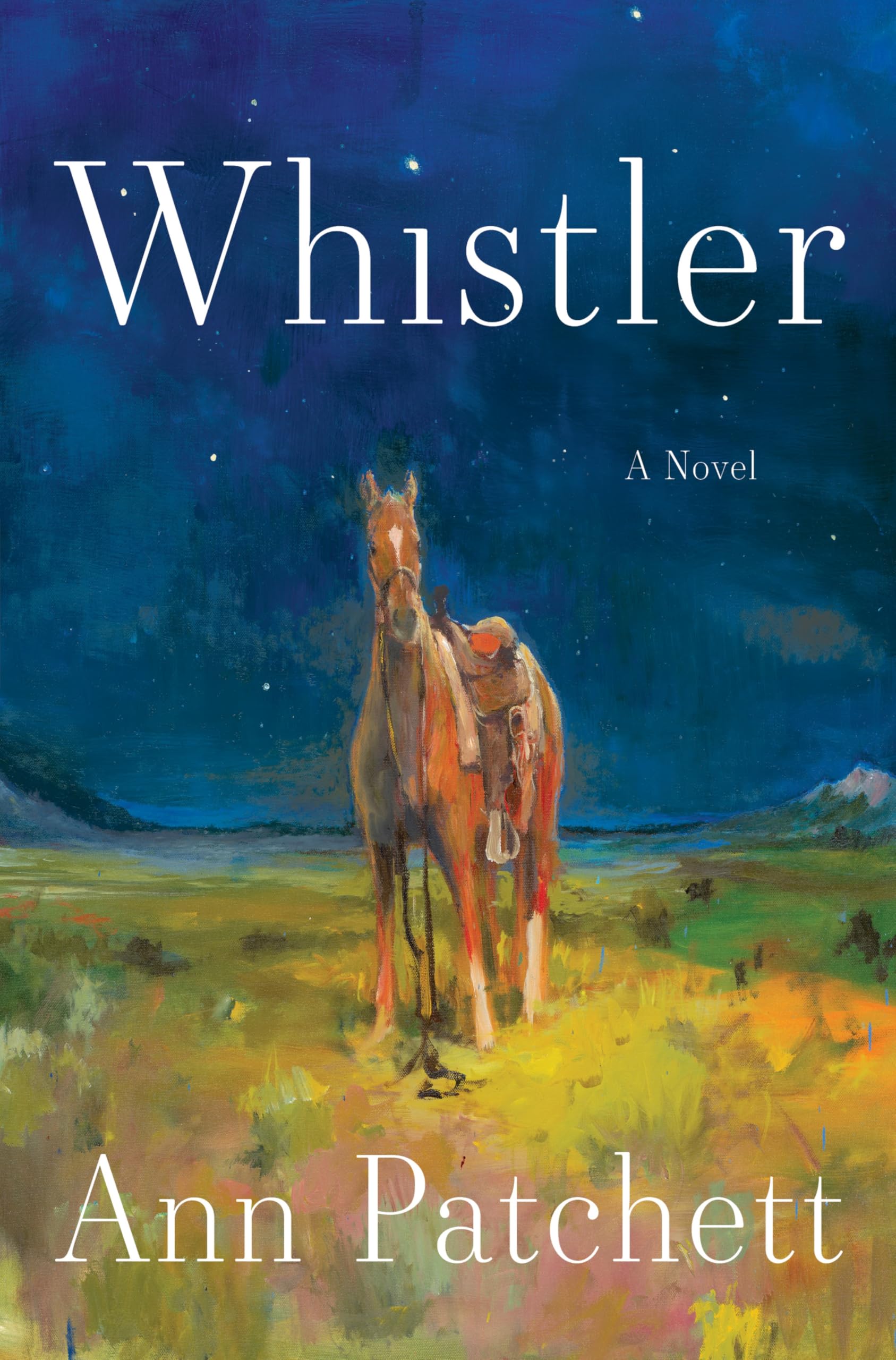
Whistler: A Novel
by Ann Patchett
Release Date: June 2, 2026
When Daphne Fuller and her husband Jonathan visit the Metropolitan Museum of Art, they notice an older, white-haired gentleman following them. The man turns out to be Eddie Triplett, her former stepfather, who had been married to her mother for a little more than year when Daphne was nine.
Buy on AmazonLocked-Room Mysteries and Thrillers You Need to Read
Unravel high-stakes crimes and chilling secrets with these gripping Mystery & Thriller releases. From small-town sheriffs haunted by past tragedies to international operatives drawn into deadly conspiracies, each story is packed with nerve-racking suspense and twists you won’t see coming. Ideal for readers seeking page-turning mysteries and tense psychological thrillers.

Beware of Wendigos (A Possum Gap Novel Book 8)
by Karen Ann Hopkins
Release Date: May 12, 2026
When mutilated bodies appear near Possum Gap, Sheriff Sadie Mills takes on her most dangerous case yet—one that forces her to question whether the town’s demons are more than superstition. Set in the rugged heart of Appalachian hill country, Beware of Wendigos is a dark, chilling murder mystery that grips readers from the first page to the last.
Buy on Amazon
The Deputy (A Dannie Bauer Thriller Series Book 2)
by Albert York
Release Date: July 1, 2026
The newest and youngest deputy sheriff in the Geauga County, Ohio, Sheriff's Department, Dannie Bauer, is at it again. Another missing child, this time one she had never met. Still, she obsesses over the case. As she investigates the missing child, she encounters an adversary far more dangerous than a single serial killer.
Buy on Amazon
It Could Have Been Her
by Lisa Jewell
Release Date: June 23, 2026
Jane Trevally is walking her dogs on her country estate when a small white terrier appears, alone and with no sign of the teenage girl he'd been staying with nearby. When the teenager is reported missing, Jane offers to return the dog to his registered owner, hours away in London. Arriving at a run-down house called Thornwood in the deepest backwaters of Hampstead, she is immediately on alert.
Buy on Amazon
Ashes in the Falls (A Sweetwater Falls Mystery Book 19)
by Elle Gray
Release Date: June 26, 2026
It’s not revenge, it’s self-preservation. Sheriff Spenser Song moved to Sweetwater Falls for refuge. After years of running from a tragic past, she has found peace in the quaint town. When she receives an emergency call in the middle of the night, she rushes to Victor Shelton’s ranch, where a blistering inferno has erupted.
Buy on Amazon
The Elias Conspiracy (Caspian Anderson Book 3)
by Simon Gervais
Release Date: July 7, 2026
After a brutal mission in France, former assassin Caspian Anderson recovers in the arms of German agent Liesel Bergmann on the shores of Mallorca. But their peace is short-lived. Just when he thinks he could get used to the quiet, a journalist is abducted before his eyes—and Caspian is pulled back into a world he thought he’d escaped.
Buy on Amazon
Ransom
by Daniel Silva
Release Date: July 14, 2026
Alice Winter, one of Britain’s most dazzling socialites, seemingly has the perfect life—a lavish home in posh Knightsbridge, a grand estate in Devon, millions of followers on social media who eagerly await her next post. But when she disappears without a trace while on holiday with three old friends from Cambridge, her desperate husband turns to none other than Gabriel Allon to find her.
Buy on AmazonInterview with Michelene Esposito, Author of Mermaid
What's the story behind the story? What inspired you to write this book?
Over thirty years ago, I watched an episode of The Oprah Winfrey Show about a little girl whose mother drove their car into the water. Years later, Oprah reunited the now-grown woman with the man who dove in and saved her life. I don’t remember all the details anymore, but I remember how deeply that story stayed with me. I found myself wondering what happened after the cameras stopped rolling. How did surviving something like that shape her? Her family? Her future? Those questions stayed with me for decades until they eventually became Mermaid. While every character and every twist in the novel is fictional, I’m endlessly fascinated by what happens after the defining moments of our lives—how love, family, forgiveness, and even heartbreak shape who we become. That’s a thread you’ll find woven through all of my stories.
If you had to pick theme songs for the main characters of your book, what would they be?
Music always finds its way into my writing, and Mermaid definitely had a soundtrack. May: “The Beauty of the Rain” – Dar Williams. May never give up on hope, and neither does this song. Buddy: “All for You” – Sister Hazel. Buddy in four minutes. The sisters: “After All” – Dar Williams. Every time I hear it, I think of May and Kate. Buddy’s journey as a firefighter: “Cold Missouri Waters” – Richard Shindell (from the Cry Cry Cry album). If you know the story behind that song, you know why it had to be on the playlist. Did I mention I’m a sucker for a second-chance romance? 😊 Buddy and May actually claimed three songs over the course of writing Mermaid: “(What a) Wonderful World” – Art Garfunkel, Paul Simon & James Taylor; “You and Me” – Lifehouse; and “I Won’t Give Up” – Jason Mraz. Apparently, one song just wasn’t enough for those two.
What's your favorite genre to read? Is it the same as your favorite genre to write?
My bookshelves are a little bit of everything, and I wouldn’t have it any other way. I love romance, rom-coms, women’s fiction, and literary fiction. But if I’m being honest, what I really love is talking about books. I’m in three book clubs because I love the conversations every bit as much as I love the books. One focuses on literary and award-winning fiction through my local Books Inc. Another is through my local library (I’m also a total library fangirl. Librarians are some of the true heroes in our world!), where we follow the Great Books Reading & Discussion Program and have tackled everyone from Aristotle and Socrates to Emily Dickinson. The third picks a theme: food, Hollywood, walking, and everyone recommends a different book inspired by that theme. So yes… clearly, I love reading books. But I love, LOVE, talking about them.
What books are on your TBR pile right now?
One of my reading goals this year—thanks to the Books Unbound podcast for the idea!—is to read the favorite books of the people I love. Right now, my nightstand holds an Amish romance by Shelley Shepard Gray alongside Lost Horizon, Party Girl, and A Separate Peace—favorites of my mom, dad, and son.
What scene in your book was your favorite to write?
Without a doubt, it’s the scene in Ole’s Waffle Shop where Buddy and May are trying to reconnect after years apart. It’s tender. It’s clumsy. They tease each other. They say the wrong things, then somehow exactly the right things. Sometimes the sweetest moments aren’t the big declarations of love. There are two people sharing waffles, making each other laugh again, slowly realizing they still feel like home to each other… and wondering if their battered hearts are brave enough to take one more chance. I do have another favorite scene involving the two sisters…but it’s a spoiler, so my lips are sealed. 😊
Do you have any quirky writing habits? (lucky mugs, cats on laps, etc.)
I wish I had a more glamorous answer involving a lucky mug or a cat supervising my every word, but I’m actually pretty boring. 😊 I’m a morning writer. My favorite writing days start with a long walk, followed by breakfast, my second (of three!) cups of coffee, and a few uninterrupted hours with my characters before the rest of the world comes knocking. It’s a routine more than a quirk—but it works for me.
Do you have a motto, quote or philosophy you live by?
One of my favorites hangs on the wall in my office. It’s Edna Mode from The Incredibles: “Luck favors the prepared, darling.” (And yes, you absolutely have to say it with all of Edna’s fabulous snark.) Right next to it hangs Edward Robert Hughes’s painting Midsummer Eve. Every time I look at it, I think about that young woman wandering into the woods, never imagining she’d find fairies. I hang them side by side to remind me: yes, have a plan—but leave room for the unexpected magic.
If you could choose one thing for readers to remember after reading your book, what would it be?
Life is messy. Families are messy. Love is messy. But I like to believe there’s almost always a way forward. If readers close Mermaid feeling just a little more hopeful than when they opened it, I’ll be happy.