
What's the story behind the story? What inspired you to write this book?
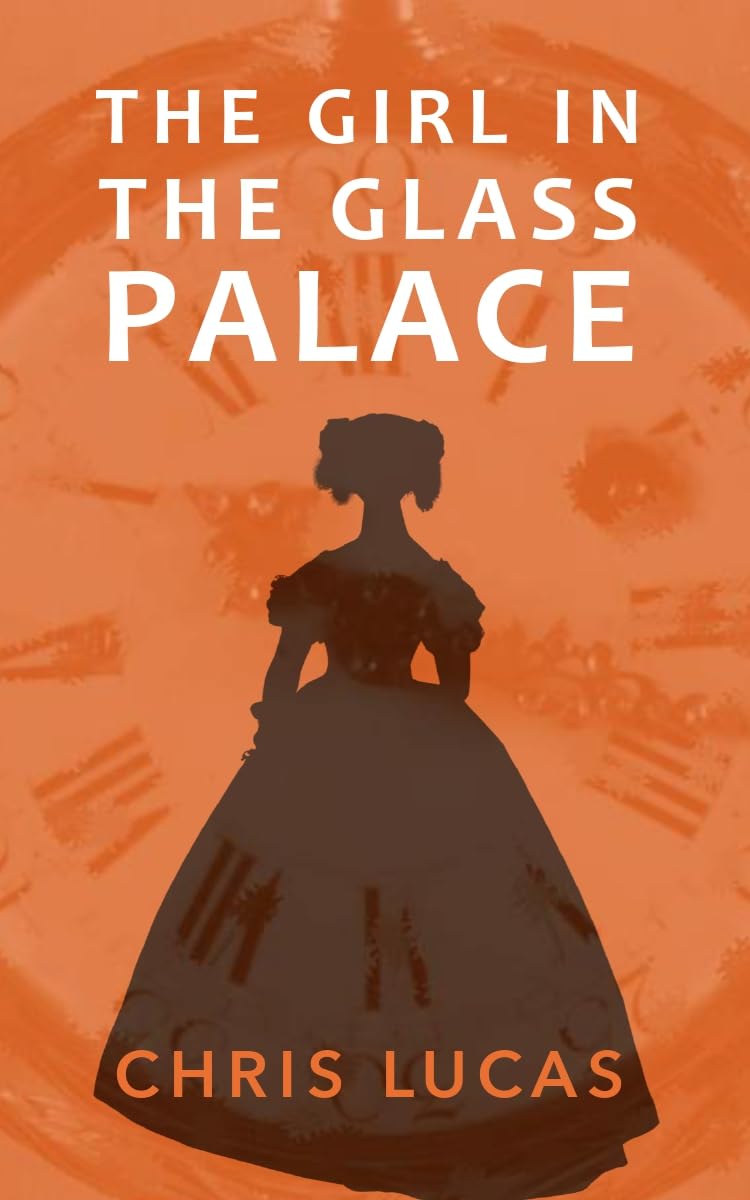
I've always been fascinated by the possibility of time travel (I’ve been a Doctor Who fan since childhood). In particular, the idea of people from different times meeting – how would they get on, would they even understand each other, and would they find ways to connect despite their differences? In The Girl in the Glass Palace, the “past” is 1897, which is not so very long ago and yet in many ways a very different world from today’s. The story explores the ways in which two young people from two different centuries find they have things in common, and how they form a bond and have to work together against common threats.
If you had to pick theme songs for the main characters of your book, what would they be?
Luke: “I Still Haven’t Found What I’m Looking For” by U2. A discontented, somewhat lost young man trying to find his way in the world, and even who he himself is. Having just left school and facing an uncertain new world, his future – and his whole identity – feels like a question mark.
Callie: Since she’s from 1897, this is a little harder! But I went for “Time After Time” by Cyndi Lauper – a song that speaks of longing and connection across time, and a young woman looking for something more than the straightjacketed destiny mapped out for her.
What's your favorite genre to read? Is it the same as your favorite genre to write?
I don’t think I really have a favourite. I read widely across genres, as I think good writing and stories transcend genres. I am quite partial to a good ghost story, however.
What books are on your TBR pile right now?
As part of my book club, I have to few books to read, including "The Names" by Florence Knapp. But I’m also now trying more books by indie authors, and I’m currently reading The Spider by Hanna Delaney, a deliciously spooky gothic ghost story.
What scene in your book was your favorite to write?
Probably the first meeting between Luke and Callie, two young people who quickly sense their mutual attraction but also face the growing realization that they’re actually from two different centuries! I found it fascinating to see how they’d connect, what they’d understand about each other and what would trip them up or create a division they’d have to overcome. There is some humour there but also bewilderment and even fear. The fact that a relationship develops is testament to the fact that, despite everything, they are both human beings with similar needs, questions and problems, even if one’s from 2026 and the other from 1897. (The fact that they’re both the same age – 18 – also helps.)
Do you have any quirky writing habits?
Not really. One of our rabbits got onto my keyboard last week, but that’s not something I want to encourage – it makes typing difficult!
Do you have a motto, quote or philosophy you live by?
I’m a Christian and that informs everything about my life, including my writing but not always in obvious ways. I don't write overtly "Christian" books - there is certainly a place for such books, but that's not what I do. The Girl in the Glass Palace has spiritual/supernatural elements, and one mysterious character who pops up in occasional and unexpected ways, but their identity/meaning is left for the reader to think about.
If you could choose one thing for readers to remember after reading your book, what would it be?
That it’s fine to ask questions and look for more. Every culture period in history has its assumptions and blind spots – including our own, modern world. We can tend to look down on our nineteenth century forebears as being backward and unenlightened – but we should remember that anyone arriving from 130 years in our future may think similar things about us!